

Skincare
How to Shrink Enlarged Pores
It is common to find “how to minimise enlarged pores” in most people’s search history. Let’s make this plain, one...
How to Shrink Enlarged Pores
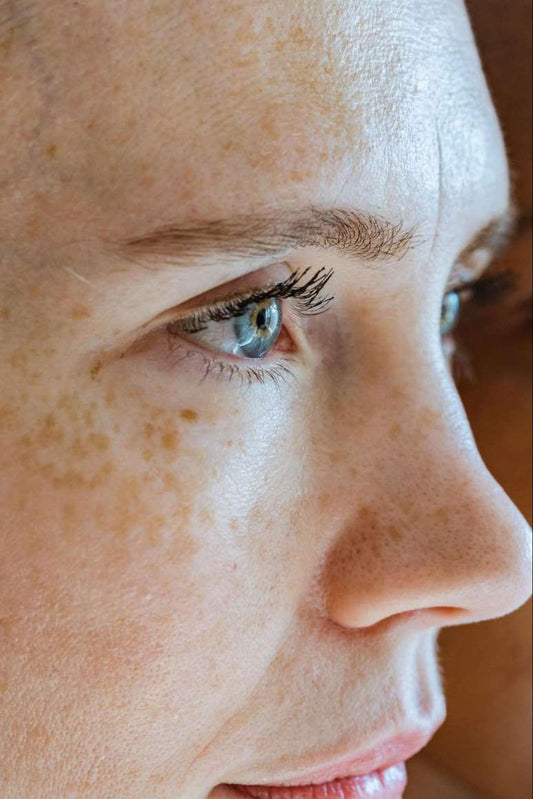
It is common to find “how to minimise enlarged pores” in most people’s search history. Let’s make this plain, one can not eliminate pores wholly. It is not possible since pores are an imperative part of the body however they can be minimised substantially. In this blog, we will tell all about pores and how to diminish them. There are a handful of ways to unclog and tighten the pores. Let’s go ahead. What are pores Enlarged pores are small inlets all over the body having sebaceous glands beneath and hair follicles in them to carry oil, liquid, or particles. Their work is to carry sebum, a natural oil, from the sebaceous glands to the skin surface keeping it moisturised and hydrated. Over time due to multifarious reasons, pores enlarge around the nose, forehead, and cheeks. Several underlying factors cause them to expand. Pores should work healthily but there are ways to make them less noticeable. Types of pores For a deeper understanding, enlarged pores are of two kinds: Sweat pores: These pores are responsible for emitting sweat. They are present all over the body but are not visible to the naked eye. Here, we are not concerned with the sweat pores. Oil pores: Oil pores carry sebaceous glands beneath them. They are entrusted with the duty of producing natural oil or sebum for the skin. These when get clogged with dirt and dead skin cells, enlarge now and again. When enlarged they are visible to the naked eye easily. Causes of enlarged pores There are a number of triggers for enlarged pores. Have a look at them to determine what is your cause of enlarged pores. Age: As we age, our skin starts to loosen elasticity and collagen. As a result, pores widen. Collagen pushes and squeezes the pores to become smaller. They supply structural support to the skin. Genetics: Genetic makeup plays an impactful role in inheriting larger pores. Yes, you heard it right, genetics also define the size of the pores. Also, ethnicity and race are responsible as well. Gender: Physiologically, men have larger pores as compared to women. However, owing to menstruation, pregnancy, and puberty pores can enlarge on a woman’s face. Oily skin: It is a well-known demerit of oily skin. Oily skin can also be inherited. The sebaceous gland is responsible for producing sebum and in people who have oily skin, it produces excessive sebum resulting in clogging the pores when it combines with dirt, dead skin cells, and other impurities. The pores get stretched. Sun exposure: Overabundance of exposure to the sun causes the skin to be damaged. It makes the skin lose its elasticity and collagen making the pores visible. Thick skin: People who have thick skin may have enlarged pores. The hair follicles that carry the sebum are wide which is why the pores appear large in size. Bad skincare regime: Pores can be visible due to poor skincare routine. Not properly exfoliating and cleansing or having no skincare routine at all is one of the reasons. The dirt and other impurities along with makeup residue get stuck in the pores making it appear large. Environmental influence: High toxin levels and humidity in the air may also cause clogging of the pores leading to enlargement. Skincare routine to minimise the enlarged pores A well-defined skincare ritual is necessary to prevent the pores from widening. We are dropping a step-by-step routine for you. Cleansing: Cleansing is usually the first step in any skincare routine. The cleanser removes the dirt and oil gently. It is advised to wash the face with warm water first. Take a non-comedogenic and most preferably a gel-based cleanser and massage it onto the skin for a minute followed by gently rinsing it off. Avoid any cleanser that has abrasive and scrubbing agents as they tend to rub off the natural oils of the skin. It is important to use cleansers twice a day, morning and night.We recommend DRSQ’s Cleanse & Hydrate which is suitable for all skin types. It is known to clear the skin of any impurities and calm it simultaneously leaving it hydrated. The non-comedogenic esters work on the skin heavenly and help in barrier repair. Exfoliation: When dirt, dead skin cells, and other impurities get stuck in the pores they cause it to expand. Exfoliation is an excellent method to gently remove these impurities. It should be done at least twice a week and can be gradually increased. Take a sufficient amount of the product and gently apply it on the skin, rubbing in a circular motion for 30 sec followed by tenderly rinsing it. For greater efficiency, look for an exfoliant enriched in AHA or BHA.We recommend Repair serum, which is a skin-clearing exfoliating serum with 5% Salicylic acid. It is made to target enlarged pores and has AHAs as well. It exfoliates the skin and proves deep hydration. Toning: They are utilised to minimise the size of the skin cells and also work to reduce the enlarged pores. Toner helps in getting rid of excess dirt or oil that remains in the pores even after cleansing. To use a toner, damp a cotton pad with the product and gently rub it all over the face. Do not scrub the skin. You can also switch to toner pads for an easy application.Avoid, toners with alcohol as one of their main ingredients. Moisturising: Moisturising is the most noteworthy step in any skincare routine. People with enlarged pores and oily skin have this certain belief that additional moisture will worsen their condition. But is a myth, that a good moisturiser will help the natural oil of the body to reach into the deeper layers of the skin. Look out for a lightweight and non-comedogenic moisturiser to hydrate the skin. We recommend Hydrafusion luxurious moisturiser with a lightweight formula and hyaluronic acid. It provides deeper hydration and heals impaired barrier function additionally providing cell protection and nutrition. Masking: A remarkable supplementary product to add to your skincare routine. Masks are a great way to remove any impurities once in a while. It should not be used regularly, especially as a part of the skincare routine but applying a clay mask once a week can bring significant change by eliminating contaminants.Clay mask works by sucking the unnecessary stuff and oil. Sunscreen: It is another vital product. Get a sunscreen that minimises the enlarged pores. Not wearing any skin protection can make the pores more visible. Also, wear it indoors and outdoors. It is recommended to reapply it every 2 hours and get sunscreen with more than 30 SPF. Chemical Peel: Chemical peels are known to work under the skin and tighten the pores. It removes the damaged outer layer of the skin. It is advised to use a chemical peel under the supervision of the dermatologist and not personally. Changes in lifestyle that help in minimising the pores You must have heard from the elders about changing your lifestyle when you encounter any issue in your life. Well, they are partly right. Bring little changes in your lifestyle to minimise the pores to an extent. Here’s what you can do: Stay hydrated: Lack of hydration is the cause of many issues and staying hydrated solves most of them. As recommended by doctors, 2 litres of water should be consumed daily. It helps hydrate the skin from the inside and removes toxins too. Massage: Massaging the facial skin is a great way to boost the blood circulation. It stimulates lymphatic drainage and removes the toxins. Facial massage can be really helpful in minimising the pores. Steaming: It can assist in cleaning any debris from the pores. Steaming can soften the skin, heat the blood vessels, and open the pores. It is suitable for all skin types. Incorporate it into your life by steaming once a week for not more than 5-7 minutes. Excessive steaming can cause drying of the skin. People affected with Rosacea should also monitor their condition closely. Stress coping: You must have heard people commenting that exam or life stress is taking a toll on their skin. Stress is the pivotal cause behind many issues. Coping with stress would solve half of the problems. Persisting stress can affect the skin negatively. Take time out for a walk, meditation, yoga, etc. As long as you manage the stress, fewer breakouts will take place. Refrain from alcohol and smoking: Giving up alcohol and smoking can significantly minimise the size of the enlarged pores. These two habits are often linked to bad health and skin. They are the leading cause of various acne forms and enlarged pores. Clear makeup before sleeping: Sleeping with a face full of makeup can harm the pores. The makeup gets combined with dirt and bacteria overnight which can cause the pores to appear larger. It is recommended to always clear your face of any debris or makeup before heading to bed. Makeup remover is a great method to remove the makeup followed by a mild cleanser quickly. Wear sunscreen consistently: Sun exposure can increase the risk of drying the skin and causing the pores to appear larger. Wear sunscreen regularly to minimise this risk. Add non-comedogenic products: Non-comedogenic products do not clog the pores as clogging of the pores leads to expansion. Always choose products, whether skin care, hair care, or makeup, that are non-comedogenic. Exercise: Maintaining a healthy body is directly proportional to healthy skin. Regularly exercising can increase the blood flow and decrease the stress level. Eat a balanced diet: Eating a diet that is full of grains, vegetables, fruits, and meat is necessary for healthy and glowing skin. Ingredients to look for to minimise the pores We have carved out a skincare routine to minimise the pores. Now, let’s delve into skincare product ingredients that you should look out for while incorporating a skincare routine. Salicylic acid: A form of BHA, salicylic acid works outstandingly to remove excess sebum, dirt, dead skin cells, and other contaminants from the skin. When it is removed and the pores clear out, the size of the pores shrinks. Add salicylic acid to your skincare products. Use salicylic acid in cleansers, toners, and masks, or opt for salicylic acid as a serum. Niacinamide: Niacinamide or Vitamin B3 is an efficient skincare ingredient to add. It is known to tighten the loose pores resulting in smaller pores. Niacinamide can be used as a serum directly or in a moisturiser. AHA: Alpha hydroxy acids such as lactic and glycolic are the most preferred skincare ingredients. AHA increases the production of skin cell turnover and minimises the size of the pores. It is a must-add ingredient. Retinoid and Retinaldehyde: Both of these ingredients have proven themselves as agents responsible for clearing out the pores, enhancing skin texture, and skin cell turnover. It is recommended to use them in smaller quantities and increase them as per the instructions of the dermatologist. Hyaluronic acid: Hyaluronic acid is the most popular skincare ingredient right now. It helps increase collagen generation and reduces the pore size as a result. Conclusion Enlarged pores are not friendly to look at and deal with. One needs to adopt a proper strategy to combat them. It is important to get to the root cause of the problem and then sculpt a target-based plan. Everyone's skin is distinctive and maintaining a healthy lifestyle along with taking appropriate steps has become a necessity to achieve the goal. We would like to emphasise in the wrap-up that there are several causes of enlarged pores some of them are, aging, genetics, not wearing sunscreen, gender, etc. coupled with bad lifestyle habits like, not removing makeup at night, not using non-comedogenic products, consuming alcohol and cigarettes, not exercising at all increase the risk of enlarged pores. Keep in mind to follow the skincare routine and keep an eye on the improvements of the skin simultaneously.
What Role Does Antioxidants Play in Our Skincare?
Whether you want to protect your skin or give it a perfect glow, try out a powerful skin ally often...
What Role Does Antioxidants Play in Our Skincare?
Whether you want to protect your skin or give it a perfect glow, try out a powerful skin ally often overlooked but always found promising in the skincare industry. Yes, you guessed it right! We are talking about antioxidants. You may have seen or heard a lot about antioxidants and wonder what exactly they are! Especially, in the skincare niche, antioxidants have made their way into a diverse array of products whether it is a serum or an eye cream. However, their effects are cumulative and you have to be consistent while using them. As we always recommend; patience is the key. In this blog, we are going to explore these less talked about potent protectors and the benefits they hold for your skin. What are antioxidants? To put it simply, antioxidants are compounds that safeguard your cells against specific damages. They do so by neutralising oxidative stress and free radicals. These free radicals when present in large quantities are harmful and often associated with several health conditions. There are some activities or aggressors that can increase the formation of free radicals in the body, including; Cigarette smoking High levels of blood sugar Prolonged exercises Infections from bacteria, fungus, and virus Toxins Air pollution, etc While our body has its own mechanism to fight these free radicals and keep us safe, sometimes we need to supplement them in the form of food or skincare products to get the maximum of their benefits. By adding antioxidants to skin care products, brands add an extra layer of defence against atmospheric stressors, trying to provide you with several skin aids comprising, anti-ageing benefits, brightening of the complexion, and overall well-being of the skin. How do antioxidants work? But how do they work? There's a simple chemistry behind this phenomenon. We have free radicals in our bodies that are in their unstable state. These free radicals are molecules with one or more than one electron. Due to this typical structure, these molecules become highly reactive and vulnerable to oxidation. You must have seen that sliced apple turned brown. Yes, the same case! Now, in order to gain stability, they get to react with other molecules. This provokes a chain reaction that further causes harm to the structure and genetic material (DNA) of otherwise healthy cells. These free radicals cause damage to the skin that triggers inflammation. This inflammation interferes with the usual self-repair procedure of the skin. Now, the skin has to focus on combating the inflammation triggered by these free radicals instead of focusing on its self-repair. What's the outcome? It disrupts the ability of the skin to heal itself and various skin issues arise, like irritation, redness, and a broken skin barrier. Antioxidant benefits for your skin Let's dig down to know why these skincare brands out there, are obsessed with including antioxidants in their formulations. Antioxidants can bring forth a multitude of benefits such as; Soothes inflammation: Free radicals cause inflammation inherently. Antioxidants have the ability to reduce inflammation and they might offer a calming effect too. According to the dermatologists, all antioxidants have anti-inflammatory properties. Protects from UV Rays: Antioxidants may act as your umbrella against harmful ultraviolet rays. You may find them in sunscreens for this reason. Combats Ageing: Ageing is such a stubborn concern impacting every human being. Though it's a natural process, its arrival before time, that is premature ageing caused by external factors such as UV rays, pollution, smoking, etc, can be troublesome for you. Antioxidants may help you fight back and look younger and radiant.Antioxidants neutralise free radicals which would stimulate the production of collagen within the body. This collagen helps you to fight the early signs of ageing such as fine lines, sagging skin, and wrinkles. Brightens the skin tone: Yes, you read it right! Your skin's melanin production can be highly impacted due to sun exposure and free radical activity. This can result in hyperpigmentation, uneven skin tone, and spots on the skin. Antioxidants may play a vital role in this regard. Best antioxidants for your skin Having said the above-stated points, you don’t need all the anti-oxidants that are present in the world. Just include those that are highly useful for your skin and target that one specific concern that you are facing currently. Here it’s crucial to know that antioxidant is not one specific ingredient. Yes! You will not find written “antioxidants” on any skincare product. Rather these are a group of a wide range of ingredients that work collectively in the same way, that is, to fight the damage caused by free radicals. Check below for the extensively researched and widely used antioxidants in skincare formulations; Niacinamide: A highly popular, strong antioxidant, and a beneficial skincare ingredient that offers a combination of protective and hydrating properties to your skin. It may help with dark spot reduction, skin tone and texture improvement, giving a youthful radiance.It is beneficial for all skin types and reduces inflammation from eczema and other inflammatory conditions of the skin. Vitamin C: Vitamin C needs no more pieces of evidence to prove its efficacy in skincare. It's vitally loaded with antioxidants that can destroy free radicals and promote the synthesis of collagen.Containing ascorbic acid, it aids wound healing and lowers skin pigmentation. The daily dose of vitamin C through your skincare products, preferably a serum can decrease the dryness and provide moisture to the deeper layers of your skin. Vitamin E: It’s a fat-soluble antioxidant. Vitamin E restricts your skin from losing moisture and protects cells against damage. Moreover, its prolonged usage can soften the skin's surface and make it plump. It may be helpful in reducing the ill effects of sun damage. By using vitamin E to fulfil your dose of antioxidants, you are taking a smart step. It strengthens your skin's barrier and is super moisturising too. Phytoextracts: It is a broad range of botanical extracts used in skincare products, specifically due to their antioxidant properties. You must have seen names like, "rosemary, calendula, or green tea", written on the labels of a variety of products. But the list is too long to mention here alone.Along with being highly anti-inflammatory, they have moisturising factors that help to protect the skin from within. Retinol: Retinol has already proven itself in various skin concerns. It prevents clogged pores responsible for acne and blackhead formation and increases proliferation and collagen production. You will find your skin younger-looking, fresh and plump after a long and disciplined use.It's a potent ingredient known for its ability to promote cell turnover. Topical retinol includes Adapalene, Tretinoin, Bexarotene, etc.People facing skin ageing issues like fine lines and wrinkles may find solace with consistent use. Another derivative of vitamin A, called retinaldehyde is highly powerful offering almost the same benefits. It's preferred by some skin experts due to its more potency as compared to retinol. Polyphenols: Polyphenols are rich in antioxidants and help with UV rays damage and ill effects of smoking on our skin. Many skin experts suggest that polyphenols can slow down the process of ageing and reduce the wrinkle appearance caused by sunlight.They possess anti-inflammatory properties that can soothe irritated skin and reduce swelling. Skincare products formulated for acne and other inflamed skin conditions may contain these polyphenols. Coenzyme Q10: CoQ10 or ubiquinone can aid the damage done by environmental aggressors such as UV rays and pollution. They prevent premature ageing influenced by external factors and support cellular turnover leading to a vibrant and luminous complexion.It strengthens the skin's barrier, improves hydration levels of the skin, and makes the skin supple and smooth. How to choose an antioxidant-rich skincare product? Finding any type of antioxidant is not a hassle for anyone. The market is full of ingredients that are categorised as antioxidants. While you're done with understanding your underlying skin concern and its causes, or done with consulting your dermatologist, follow some below-mentioned tips to get your antioxidant journey started - What are you looking for? It’s from where you start. Just because you have read about the antioxidants and you are sure that they favour your skin - this is not a very strong reason to buy them. Know your goal. Yes, we are pointing toward your skin issue. Do you need them to fight your blemished, wrinkles caused by sun exposure or the luminous glow? Don't rely on the antioxidants alone Antioxidants are beneficial and there is not a single doubt about this fact, but you must look for the other active ingredients that your skin requires. Look for peptides, salicylic acid, hyaluronic acid, etc, to keep your skin glowing. Glycolic acid and lactic acid can really help your skin reveal some much-needed radiance. Go for more Try out the products that have more antioxidants. By more numbers, we mean different types. It’s nothing like you can just be satisfied with one or two and sit back to wait for the results. This strategy can work, undoubtedly but there’s nothing wrong in looking for more ingredients to reap benefits. Seek an expert's advice Consulting your dermatologist would be a smart idea while stepping into the use of antioxidants. They will help you with the right types, the right amount, and even when and how to use them. Almost every product out there in the skincare niche is inclusive of antioxidants, and that doesn’t necessarily mean you need all of them! Look for brand credibility Research well before trying out something new! Your skin is not some canvas to try out experiments and learn with results. Ask your dermatologist for any specific brand that they prefer. It’s best to check which brands are authentic and known for their incredible results before you step in to buy. Wrap-Up The best piece of advice you must follow while using any skincare ingredient, be it antioxidants or salicylic acid, is to just be patient. Nothing can make you look young or glowing overnight. You have to be consistent and disciplined. From soothing your inflammation to giving you that forever young glow, antioxidants neutralise free radicals and trigger collagen production in the body. Antioxidants are easily available in the market don't buy them randomly. Do your research, ask the skin expert, and check if they are going to benefit your skin concern.
AHA Vs BHA: Know the Difference
Are you worried about your skin getting bumpy, dry, clogged, and uneven? Have you tried exfoliants? Learn about them before...
AHA Vs BHA: Know the Difference
Are you worried about your skin getting bumpy, dry, clogged, and uneven? Have you tried exfoliants? Learn about them before you include them in your daily skincare routine. AHA and BHA are different acids and applying them on your skin can make a substantial difference. Chemical exfoliants significantly remove the buildup of dead skin and enhance a healthier complexion. In this blog, we will address the difference between chemical exfoliants AHA (Alpha-hydroxy acid) and BHA (Beta-hydroxy acid), the benefits of combining them, how you can use them, and which suits your skin type. What are AHAs? Alpha-hydroxy acid or AHA is a fruit acid. It is extracted from sugarcane or other plant sources. AHA is a broad term and comprises multiple acids in its ambit, such as glycolic, lactic, citric, and malic acid. AHAs are best suited for dry to normal skin as they amplify the moisture content in the skin. It is a water-soluble acid and encourages cell turnover. It being a water-soluble acid doesn’t reach the skin’s natural oil and works on its surface. Unlike other acids, it doesn’t initiate its work through inflammation, nor is it abrasive like most face scrubs. AHA is added to skin care products to gently exfoliate skin and loosen up the outermost layer of old dead skin cells with gluey substances that hold the skin together. Apart from its obvious skincare benefits, AHA is highly recommended in the treatment of xerosis, melasma, and ichthyosis. It primarily enhances skin firmness, prevents breakouts and sun damage, and boosts hydration. Also, another quirky tidbit for you, AHAs help treat dark spots. However, to achieve this you need to use AHA in higher concentration and combine it with vitamin C. Types of AHAs AHAs are of different types. Here we are providing a detail for you to choose from. Glycolic acid: Enhancing the skin’s ability to retain hydration and prevent fine lines, it is one of the most known and widely used skincare ingredients. Glycolic acid naturally occurs in sugarcane and is the diminutive water-soluble AHA. it penetrates deep into the skin and reduces the buildup of melanin. Citric acid: Citric acid is found in citric fruits and is known to be a pH adjuster. It is an exfoliant and antioxidant. This AHA unclogs the pores, even the skin tone, and smoothens and brightens the skin. Lactic acid: Lactic acid is found primarily in dairy and fermented vegetables and increases skin cell turnover to appropriate post-acne hyperpigmentation. Lactic acid plays a significant role in diminishing apparent pores too. Malic acid: Malic acid is chiefly found in apples that clean and hydrate the skin. Mandelic acid: This type of AHA is made from almond extracts and improves skin texture and shrinks pore size. Tartaric acid: Tartaric acid is made from grape extracts and helps fight the damage from sun and acne. It is a great exfoliant as well and makes room for other products to penetrate the skin and do their job. Tartaric acid is an antioxidant too that improves skin’s texture. Benefits of AHA Encourage collagen production: AHA encourages collagen production and reduces the appearance of fine lines. It is known to enhance collagen synthesis through fibroblasts and decrease degradation of the active dermal matrix, and has proved itself efficient in reducing wrinkles and sun damage too. Reduce melasma and sun damage: Incorporating AHA in your skincare routine regularly as a chemical peel has been known to reduce hyperpigmentation and sun damage. Scale down acne: AHA works as an exfoliant and loosens the bond of the dead skin cells. With this, the dead skin cells that are blocking pores and causing acne may also shed. It works on the inside of the skin as well as the outer by targeting all areas. Boost skin texture: AHA gently exfoliates the skin and removes the dead skin cells that are causing dryness and irritation. As a result, the skin texture improves leaving with plump and soft skin. What are BHAs? Beta-hydroxy acid or BHA is an organic carboxylic acid. It is different from AHA in terms of its positioning in one hydroxyl group. It is a type of mild acid found in fruits, dairy products, plants, and tree bark. The ever-popular salicylic acid and dependents are types of BHA. As opposed to the former acid, BHA is an oil-soluble acid. It penetrates past the skin cells and pushes past the sebum and sebaceous filaments to remove the excess dirt and dead skin cells. BHA works by dissolving the bond that holds the dead skin together. It is most preferred for balanced and oily skin types. Also, it proves itself beneficial for large skin pores, bumps, blemishes, and clogs. BHAs are known for removing dead skin cells and promoting the growth of new skin cells. Besides its use in skincare products, BHA can be applied to the hair as well, as it removes excess oil that the sebaceous glands produce through sebum. Furthermore, it is widely recognised for its anti-inflammatory properties. It also stimulates collagen production and improves the elasticity in the skin making it more plump. It is primarily used to even the skin tone, calm the skin, and unclog the pores. Types of BHAs Only one BHA is predominantly used in most skincare products. Salicylic acid: The most popular BHA available, salicylic acid performs marvel to trim down acne. It sheds off the dead skin cells from the top skin layer and is excellent for oily and rosacea-prone skin. It is also used to treat blackheads and whiteheads. For excessively oily skin, it minimises the overproduction of oil as well. Benefits of BHA Anti-inflammatory: Salicylic acid, one of the most popular BHAs is known to have anti-inflammatory properties. It reduces redness and irritation and is most suitable for acne-prone, rosacea-prone, and sensitive skin. Anti-ageing: Salicylic acid promotes collagen production and skin cell turnover which reduces wrinkles and fine lines. Removes Blackheads: BHA penetrates the skin barrier and dissolves the bonds of the skin cells and in the process removes the blackheads and whiteheads. Scrubbing is a temporary solution for these but using salicylic acid as an exfoliate comes useful in the long run. Keratolytic agent: Keratin is a protein that causes skin cells to clump together but BHA is a keratolytic agent that breaks down keratin leaving with smooth and soft skin. BHA is oil-soluble which works by penetrating deep and resolving the issues from the base. Difference between AHA and BHA We have explored some of the differences above but now we want to indulge in detail so, you know every nook and cranny. Here is a guide for you and in this way you will know where to invest and what is best for your skin. Difference AHA BHA Solubility It is a water-soluble acid. It is an oil-soluble acid. Works on It works by breaking the bond between dead skin cells. It works by dissolving the bond that holds the dead skin cells together. Type Glycolic, lactic, tartaric, citric, malic, and mandelic acid. Salicylic acid. Reach It works on the skin’s surface. It reaches past the surface of the skin. Extracted from Sugarcane Fruits, dairy products, plants, tree bark. Best-suited for Dry to normal skin Balanced and oily skin. Beneficial for Collagen production, reduction of melasma, acne, and sun damage. Anti-aging, anti-inflammatory, and reduces blackheads. Can we use both of them together? AHAs and BHAs work wonders singularly but what if we combine them and can we combine them? Yeah, why not? We can use both products together and their benefits are known to augment as well. Using them simultaneously increases collagen production and makes the dermis and epidermis noticeably plumper. The easiest way is to look for a product that has both acids in balanced percentages. Moisturisers with balanced formulas are most suitable. Avoid products with high concentrations of both as it may cause irritation and inflammation. AHAs and BHAs both are exfoliants so there is no need to pile them one above another instead using them alternatively yields great results and we can avoid dryness and irritation as well. Another way to use them together is to use AHA where you have dryness and BHA where you have oily skin. Skincare routine AHA and BHA are powerful ingredients and incorporating them into your skincare routine can transform your skin into a youthful and glass skin. Here is a complete guide before you dive into the world of acids as a beginner. In this step-by-step skincare routine, you can choose the right acid of your choice. Cleanser: Start your day with a hydrating cleanser. A good cleanser not only deeply cleanses the skin but also clears it off the dead skin cells. Investing in a cleanser that doesn’t strip off the natural oils from the face is essential. DRSQ Clarifying cleanser with 2.5% AHA is excellent for oily, acne, and breakout-prone skin. It has all the significant acids along with Vitamin B5 and Aloe vera that revitalise the cells and has anti-inflammatory properties. Its active exfoliating agent goes beyond the surface and removes debris and toxins. AHA or BHA exfoliant: After thoroughly cleansing the face with a cleanser, apply a leave-in exfoliating serum avoiding the eye area. It is best to have an exfoliant with a combination of both acids for better and more efficient results.DRSQ Renew and Glow leave-in exfoliating serum gently exfoliates and calms the skin with the presence of hyaluronic acid and makes the skin more smooth and luminous. The combination of Lactic, glycolic, and salicylic acid along with Niacinamide clears the blocked pores and expedites cellular renewal. Moisturiser: Locking in a moisturiser is one of the foremost steps. Choose a moisturiser suitable for your skin. DRSQ Hydracalm moisturiser with hyaluronic acid, jojoba, and cucumber seed oil calms the skin and makes it plump detoxifying the skin and reducing inflammation. Sunscreen: Protecting your skin from harmful UV rays is crucial. Applying a generous layer of sunscreen while you are using AHA or BHA makes a lot of difference. Pick a broad-spectrum sunscreen with SPF 30 or higher. Some tips for beginners, be patient while using AHA and BHA. The results are not visible from the immediate start and remember consistency is the key. Combine benefits of AHA and BHA We have shared with you what is AHA and BHA, their details, and benefits but have not told you about the combined benefits of both. So, here is it. Exfoliation: AHA and BHA are excellent exfoliants. They remove the top layer of the skin and reveal fresh and smooth skin. Exfoliation comes with a lot of benefits including reduced hyperpigmentation and wrinkles. Unblock pores: Another merit of these is the unblocking of pores which leaves the skin with the removal of blackheads and whiteheads. Excess oil is separated to prevent the impurities from entering the skin. Smoothens and brightens the skin: Using the exfoliants smoothens, brightens, and improves the skin texture. It secludes the rough and uneven patches from the skin. Also, it is known to treat discolouration and dark spots. Side effects of AHA and BHA AHA and BHA generally do not harm the skin when used properly but using a high-potency acid from the beginning may cause irritation, redness, dryness and sensitivity instead increase the potency gradually or consult your dermatologist. Another, side effect that can be avoided is using AHA or BHA with other scrubs or exfoliants as it may trigger irritation. Take away AHA and BHA are potent ingredients used extensively to treat diverse skin issues. From a little obstacle such as dryness, uneven skin tone, or dull skin to dealing with hyperpigmentation, all these can be shooed away by the use of these acids. They come with negligible side effects and have multifarious advantages. Incorporate them into your skincare routine and see the results yourself.
Unlocking the Power of Retinaldehyde: Why It's ...
You must have been hearing about retinol over all these years for combating various skincare concerns, including post-acne hyperpigmentation and...
Unlocking the Power of Retinaldehyde: Why It's ...
You must have been hearing about retinol over all these years for combating various skincare concerns, including post-acne hyperpigmentation and fine lines. It’s considered a reigning champion in the skincare industry by enthusiasts, and for ageing, it’s an antidote. Now another ingredient from the same Retinoid family is making the headlines and taking all the limelight suddenly - retinaldehyde. There must be some underscore compelling reasons for its growing popularity over the star skincare ingredient, retinol. Let’s explore the blog to understand the retinaldehyde and why it’s considered superior to its counterpart, retinol. Introducing Retinaldehyde Vitamin A derivates have a remarkable efficacy in fighting back stubborn ageing signs, including fine lines, wrinkles, and loose skin. Retinaldehyde, being a member of the family follows the legacy and contributes to giving you a radiant and smoothened complexion, and boosts the cell turnover within the skin. Retinaldehyde or retinal is a recent one among topical retinoids. The ingredient works quickly as compared to its alternatives, and many skin experts and researchers believe it to be the only retinoid that fights against the damage caused by ultraviolet rays. Benefits of Retinaldehyde Retinaldehyde has to be converted into retinoic acid to benefit your skin in the following ways; 1. Stimulates collagen: Retinaldehyde reaches deeper into the skin and boosts collagen production which further repairs the connective tissue and increases the elasticity, and that means - fewer fine lines and wrinkles. Proving one of the best anti-ageing ingredients for the skin, retinaldehyde targets crow’s feet and improves the skin’s texture without delivering any adverse side effects as compared to peels. 2. Increase the Cellular Turnover As you age, the cellular turnover naturally decreases over time. The dead skin cells build up on the foremost layers of your skin, making your skin dull and uneven. Retinaldehyde may help you while increasing this cellular turnover within your skin and counteracting the early indicators of ageing and dullness. 3. Unclogs Pores Retinaldehyde addresses the factors contributing to enlarged-sized pores. It behaves as a chemical exfoliant to help unclog pores, and that is why you can see retinaldehyde being used in various acne treatments. 4. Even the Skin Tone Uneven pigmentation and uneven skin tone can be an issue, retinaldehyde is the ultimate solution for this concern. It works into deeper layers of your skin to brighten the tone and make it even throughout the area revealing a more youthful look. It is a result of a speedy cell turnover. 5. Shrinks Pores Enlarged pores are an issue with oily-skinned people, but retinaldehyde has got their back. Excess oil clogs the pores and makes them appear larger, retinaldehyde minimises this phenomenon by controlling the sebum. However one needs to be highly consistent with their use of this ingredient to see the desired results as pore shrinking can never be an overnight process. 6. Combats Acne Retinaldehyde has its expertise in regulating the oil production in your skin which is a major reason for your acne. If your acne is not very stubborn, retinaldehyde possesses the potential to do extraordinary feats. It’s highly beneficial in normalising the stages of acne, especially those early ones. 7. Hydrates Retinaldehyde aka, retinal removes dead skin cells and can lead to more water retention capacity resulting in hydrated skin. It minimises transepidermal water loss which helps the skin maintain its moisture barrier. You will feel plumper and more luminous skin. 8. Improves Pigmentation It can inhibit the production of excessive melanin in the skin and reduce pigmentation and dark spots. Retinaldehyde is also a well-known skincare ingredient in treating existing age spots and melasma and preventing the formation of new spots. Retinaldehyde Over Retinol Retinaldehyde and retinol are not poles apart in offering skincare benefits, but you may find a few notable differences between them. Opting for retinaldehyde in your skincare routine can bring about a significant difference in the manner your skin feels and looks. You may expect faster results with retinaldehyde as compared to retinol because its proximity to the active form of vitamin A is greater, and this closer resemblance lets conversion be more efficient allowing potentially quicker results. Retinol has lower potency and might be irritating to the skin, on the other hand, retinaldehyde is milder and can be an ideal option for people with sensitive skin. Acknowledged as being more potent than retinol, retinaldehyde remains a gentler option in contrast to prescription-grade retinoids, including tretinoin. Dermatologists believe that retinaldehyde is a more stable form of retinol. When you subject both these ingredients to air and light, retinol deteriorates faster while retinaldehyde is more likely to sustain its effectiveness for an extended period. In order to become an active form of vitamin A, retinol requires two conversion steps while retinaldehyde is closer to retinoic acid and, hence needs only a single step to get converted. Choosing the Right Product Thoughtfully If you have chosen to use retinaldehyde over retinol in your skincare regimen, you have done astute decision-making. But the decision alone is not the inception, it’s just the beginning. How to choose the appropriate retinaldehyde product? From concentration to formulations, you must pay attention to detail. Skin Type: Above everything, you must start by considering your skin type, whether it is oily, dry, or a combination. The formula may differ for particular skin types. Concentration: Know your sensitivity level and go for the right concentration to avoid irritation. More amount of retinaldehyde can initially cause skin irritation, so start low and build it up as your skin gets used to higher strengths. Additional Ingredients: Check the formula and know which other ingredients are combined in the product. Your skin may not respond well to those additional skincare ingredients. You must check prior. Formulation: The formulation is not simply the texture but it says a lot about your skin preferences. Retinaldehyde is found in various formulations, including serums, lotions, creams, gels, etc. Choose accordingly. Brand Prestige: Expensive doesn't guarantee great results while cheap doesn’t come with quality assurance. Brand reputation matters. Pay attention to where you are paying and whom you are trusting for your skin. A little research would work. DRSQ’s Retinaldehyde-containing Products List DRSQ uses retinaldehyde in place of retinol to save your skin from potential skin irritation. Let’s have a look at a few of the highly popular products that you might need. Advanced Vitamin A Serum: This Advanced Vitamin A serum is infused with 1% retinaldehyde and is the highest strength Retinaldehyde in the DRSQ range. The serum also contains vitamins B and C with peptides to firm your skin by penetrating the deeper layers, enhancing collagen production, reducing overall ageing, and rebuilding damaged structural fibres. Miracle Pro Vitamin Serum: This is a level 2 potent multipurpose vitamin A serum containing 0.5% retinaldehyde. The serum has 3% niacinamide, vitamin C, DNA peptides, and antioxidants to help with acne and rosacea. It further boosts the skin's immunity, minimises hyperpigmentation, and restores the elasticity of the skin to give a radiant glow. Starter Vitamin A Serum: This vitamin A level 1 serum is suffused with 0.25% retinaldehyde, vitamin B, C, and active peptides. If it’s your first time with retinaldehyde, then this serum can be your go-to. From benefiting dermatitis-prone, acne and rosacea-inflamed skins, this product can reduce congestion. Acne Clear Serum: This anti-acne serum has 0.5% retinaldehyde to target your blemishes, hyperpigmentation, and excessive oil production on your skin. It clears and calms works as an anti-bacterial and anti-inflammatory, evens out the skin tone, and plumps scar tissue and fine lines. A Few Tips to Consider to Incorporate Retinaldehyde into Your Skincare Regimen You should never go random while introducing or incorporating retinaldehyde into your routine. Stay safe with some tips that are highly recommended by experts to maximise effort. Initiate with Caution: You should do a patch test first before using the retinaldehyde. It may or may not suit your skin, be more irritating, or inflame your skin. Always be cautious. Don’t Rush: Whether you just got introduced to retinaldehyde or it is your first time, going slow is the key. Don’t use the ingredient every night to start with. The ideal use would be applying two to three times per week. Less is More: Use a tiny quantity of the retinaldehyde-containing product and apply it evenly on the skin rather than using too much. Check How Your Skin Responds: Don’t keep using it blindly rather notice your skin’s behaviour and improvement after start applying retinaldehyde. Don’t Anticipate Instant Changes: Do not expect to see significant changes overnight. The product demands consistency and patience. It may require you to offer a long-term commitment to see the positive changes to your skin. Conclusion Retinaldehyde is an illustrious ingredient that is trying to supplant retinol due to its more beneficial nature and fewer side effects. It’s proven to be a more advanced form of vitamin A and requires only a solitary step to become active. At the same time, no one can deny the laudable benefits of retinol when used appropriately and in the right circumstances.

Very Dry Skin: Causes, Treatment, and Preventio...
Dry skin or Xeroderma is a type of skin that develops due to innumerable reasons including cold weather, deodorants, hot...
Very Dry Skin: Causes, Treatment, and Preventio...
Dry skin or Xeroderma is a type of skin that develops due to innumerable reasons including cold weather, deodorants, hot showers, meagre hydration, or harsh chemicals. The skin is unable to retain moisture and causes problems. Dry skin feels rough, flaky, itchy, and may bleed as well. Usually, dehydrated skin doesn't have any medical condition behind it, but sporadically it can be caused by a medical condition also through hypothyroidism, dermatitis, or psoriasis. Dry skin can be dealt with by regular hydration and moisture but if the skin is itchy and bleeding, it needs special ministrations. Causes of very dry skin Skin loses water quickly due to harsh water or chemicals and needs moisture, this is one of the foremost causes of an excessively dry derma. The other reasons are discussed below: Medications: Certain medications cause very dry skin. Repetitive use of them withholds moisture. The side effects of them are long-term and severe. Smoking: It contains chemicals that are harmful to overall health and skin. Cigarettes contain dry skin-causing agents. Diabetes: Excessive sugar in the blood removes fluids from the cells to control the sugar levels which further causes parched and itchy skin. Kidney disease or Dialysis: Through the treatment of dialysis, the surplus water from the body is removed. It also removes the necessary fluids from the body causing very dry skin. Too much phosphorus also creates the problem of itchiness. Cancer treatment: The cancer is treated through chemotherapy and the person is exposed to appalling radiation which sucks the body dry and leaves it in a permanent state. Anorexia: Poor diet and malnourishment may cause a lack of nutrients in the body. A deficiency of nutrients and water leads to the development of dry skin. Old age: As we age, the skin reduces the production of sebum. Sebum keeps the skin healthy, glowing, and plump. Its reduction causes flaky and dry skin. How to prevent very dry skin Exposure to harsh chemicals in makeup products and chlorinated swimming pools causes the skin to lose its plumpness, texture, and moisture leaving it itchy, flaky, and bleeding. Little changes in daily lifestyle can help in retaining moisture. The following activities can help in protecting the healing the skin: Apply moisturiser after every wash After a shower or any skincare routine, moisturiser should be applied immediately as it helps in trapping moisture. Look for a moisturiser that is rich in glycerin, shea butter, cocoa butter, ceramides, and fatty acids that heal the skin. Moisturiser should be applied promptly even after simply washing your hands. Don’t let the skin go dehydrated. Opt for moisturisers that are fragrant-free as products that have fragrance causes irritation, allergy, and hormone disruption. Long-term use of fragrant products has adverse effects on the skin. It is one of the major causes of dryness and patchiness. Products containing sodium lauryl sulphate should also be avoided. Choose a product that can be used on the face and neck simultaneously so that no residue is apparent. For ultra-dry skin, look for moisturisers including Cetaphil, petroleum jelly, and baby oil. Petroleum jelly might be applied on socks and gloves before bedtime also to lock in moisture. Dodge away any chemicals This might come across as something new or never heard before but detergents play an important role in the lack of moisture in the skin. Detergents contain surfactants that disrupt the natural protective barrier and cause itchy, flaky, and irritant skin. They are the genesis of the skin disease called contact dermatitis for sensitive skin. When the skin comes in contact with these detergent-washed clothes, they may cause damage to sensitive skin. Switch them with light, fabric softener, and soothing detergents. Choose detergents that are ‘hypoallergenic’. Along with short 5-10 min baths, it is essential to minimise the use of soap bars. Certain soap bars act against the skin, so use soaps that are high in glycerin, Cetaphil, milk, etc. Soap containing alcohol or perfumed soaps should also be avoided at all costs. While discussing soap bars, it is indispensable to know that sponges and wash clothes are also harsh on the skin. They peel away the protective barrier of the skin leaving it exposed. Use a soft towel or mild sponge and avoid over-scrubbing. Add moisture to the air In extremely cold weather, the skin is exposed and left to bear the brunt. In these circumstances, there is an urgent need to add some moisture to the air surrounding you. If you have the provision, this can be done by lighting a small fire in the fireplace and cozying beside this. Fireplace is less drying to your skin than an air conditioner. Plugging a humidifier in your home also provides moisture in the home. Sitting in a warm place will help in locking up the moisturise. Although we can’t control the weather and these systems are necessary for survival, adding a humidifier is good for extremely dry skin. It restores the moisture in the atmosphere and retains the hydration. However, it is important to note that merely plugging in the humidifier won’t help alone. A hydrating skincare routine should be followed religiously every single day to battle extremely dehydrated skin. Reduce the shower timing Overbathing is also one of the reasons for having very dry skin. In the winter season, people tend to enjoy long hot baths. These baths strip away the natural oil of the skin. Human skin is naturally enriched with natural oil and moisture which the body produces itself. Hence, it is important to reduce the time limit of the baths. Hot water is another reason behind an intensely parched derma. Swap it with lukewarm water. Hot water is abrasive on the skin which is a big no-no. A pro tip: Don’t scratch your skin with your nails or any material. The itchiness can be taken care of by a plain layer of moisturiser. So, resist the temptation. Be gentle with your face Some people have the urge to wash their face every time they come back home. This can be very drying for the skin. Limit the use of mild face wash or cleansers up to twice a day only and use products having shea butter or argan oil. Excessive cleansing of the face and not applying moisturiser after it leaves a person with very dry, rash, and itchy skin. Look for products that have hyaluronic acid, dimethicone, lanolin, petroleum, lactic acid, mineral oil, and jojoba oil in them. Skincare routine for dehydrated skin A skincare routine is a range of self-care to enhance, protect, and heal the skin. The following steps can be followed: Cleanser: A skincare routine followed at night is more enriching and healing. So, before bedtime cleanse your face with a mild cleanser. Cleanser cleans away all the dirt, makeup, and oil stuck. It is essential as not cleaning the face with a cleanser will clog the pores. A hydrating, cream, or oil-based cleanser is beneficial for the skin and it doesn’t strip away the natural oil of the skin also. Toner: Toner although is not necessary but if you want to achieve healthy skin where the pores are not visible, it is highly recommended. It removes the excessive grim and hydrates and nourishes the skin. Choose a toner that is infused with hyaluronic acid, vitamin E, etc. Serum: No opportunity shall be missed especially at night time when the skin heals itself. Choose DRSQ’s Radiance 3D serum rich in glycerin, rose water, hyaluronic acid, and niacinamide in the morning. This serum repairs and heals dry, wounded, and irritated skin at night. Serums infused with glycolic and lactic acid are also recommended as they remove the dead skin layer and pave the way for smooth skin. Retinol: Retinol increases the production of collagen which reduces clogged pores and heals skin texture. It may cause some initial irritation and should be introduced slowly after doing a test patch. Moisturiser: The all-time favourite step of every person with rough skin. It helps the skin retain moisture in the skin and heals it. It is best applied twice a day. Opt for DRSQ Hydrafusion moisturiser in the daytime and DRSQ Advanced Repair Night cream for the nighttime. For extra dry skin, try DRSQ Collagen Boost morning and night. (product features) Home remedies to combat very dry skin People love to treat themselves at home with their mothers' long-knowing home remedies, which are not only easy to adopt but act as magic on the skin too. We have some secrets to share that will help with your parched skin at home. Let’s take a look: Petroleum Jelly: Mother’s favourite petroleum jelly is amazing for your skin. It is also known as mineral oil and provides a protective layer to your skin. It traps the moisture in the body. Sometimes, the very dry skin or the chapped lips start bleeding, and the wound needs a moist place to heal so, using petroleum jelly on slight wounds is highly recommended. Using it is also easy peasy, apply a healthy layer of petroleum jelly on the skin evenly at night before your bedtime. Don’t forget the lips! Oatmeal baths: Oatmeal baths are the all-time favourites of grandmothers. Oatmeal has antioxidants and anti-inflammatory properties which soothe flaky, irritated skin. It is very easy to make it at home, just blend the oatmeal in the blender and mix it with warm water in the tub and you are good to go. After an oatmeal bath, it is essential to lock in the moisturiser with a good cream or lotion. Gloves and Socks: When skin is exposed directly to the environment, it causes more damage to it. Wear gloves and socks in the winter season to protect the skin from harsh weather, chemicals, detergents, etc. Insulated gloves are also extremely helpful while doing chores. Wearing gloves while doing the dishes can protect the skin from ruthless chemicals. Coconut oil: Coconut oil is a household favourite and it has emollient properties that fill the space between the cells and create a smooth surface for you. It has saturated fatty acids as well which hydrates the skin. It can be used directly on the skin and is good for very dry skin. Foods rich in omega-3s: Wearing the right moisturiser and avoiding harsh products is important but eating healthy is also crucial to maintain hydrated and plump skin. Intake of foods rich in omega-3s and antioxidants can make your skin look healthier and soft. Foods rich in antioxidants that should be included in the diet are lentils, carrots, blueberries, peas, and beans. Foods rich in omega-3s are salmon, mackerel, and sardines among others. Milk: Milk has lactic acid and is a natural exfoliator. It has natural anti-inflammatory properties as well. Using milk on the skin not only hydrates it but removes the dead skin too. Bathing in milk or applying a milk mask to your face will make your skin glow and hydrated. Milk is one thing that is safe for all skin types. To be precise, dip a cotton pad or a cloth in cold milk and place it over the dry, flaky, and patchy skin for 5-10 mins will work wonders. These home remedies are easily available at home, cost-efficient, and of course, work amazingly on desiccated skin. To battle it, a lot of patience is required along with the right products. Home remedies are the safest things to try your hands on and leave behind mesmerising results. Wrap up Very dry skin or xeroderma develops when skin is frequently exposed to harsh and cold weather, wet environments, and the chemical industry. The skin gets irritated, rough, flaky, patchy, red, and even bleed. Xeroderma needs a lot of help and caution as the matter can get worse anytime. Moisturising is the key to protecting your skin. Keep your skin and air hydrated all the time and never forget to apply a healthy layer of moisturiser or lotion to your skin after every bath or bedtime. Don’t be harsh on your skin. Look for fragrant-free, deodorant-free soaps and skincare products as they irritate, and add supplements to your diet to achieve the glow you have always wanted.
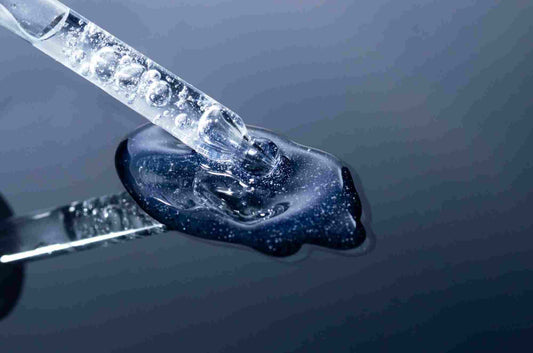
Can You Use Salicylic Acid with Niacinamide?
The sheer count and diverse array of skincare products in the market make selecting the right one for your skincare...
Can You Use Salicylic Acid with Niacinamide?
The sheer count and diverse array of skincare products in the market make selecting the right one for your skincare regime difficult. If, on top of that you also have to worry about whether ingredients might react with one another or with your skin, putting your finger on the best skincare cream, gel, or serum becomes challenging. A very common question rises whether you can use salicylic acid with niacinamide. Separately, they both are exceptionally helpful. The word in the wind says when you mix them together, they cancel out one another’s benefits and worse can potentially cause your skin to redden. But believing anything without tracing facts is an absurdity. To begin with, let’s first understand the benefits of each of these ingredients and the reason behind the belief that they cannot be used together. What Are the Benefits of Niacinamide and Salicylic Acid? Be it niacinamide or salicylic acid, both are advantageous to the well-being of the human skin. This is the reason you see them being a part of the composition of several cosmetics. But you’re genuine to be concerned if you’ve heard that the combination can cause redness on your skin. The idea that niacinamide should not be combined with BHA stems from the fact that they seemingly work in opposite directions. But this very fact causes the two ingredients to complement one another simultaneously. Salicylic acid acts by expanding the pores to remove impurities while niacinamide – an exfoliant – acts by soothing the skin. So here’s the breakdown of these ingredients; Benefits of Niacinamide and Salicylic Acid Before we answer the question uppermost in everyone’s mind, – which is whether you can use both salicylic acid and niacinamide together for skincare, – let’s look at the individual benefits of salicylic acid and niacinamide. Benefits of Niacinamide A topical form of vitamin B3, niacinamide is water-soluble and strengthens the skin barrier. That is, it toughens the lining of your pores and tightens them to give your skin a smooth look. This is the top-notch reason for its popularity. Other benefits include skin brightening, anti-inflammatory properties, and speeding up the cell renewal process. Niacinamide assists in reducing dark spots, blotches, and hyperpigmentation. Moreover, it smoothens fine wrinkle lines by improving the skin’s elasticity and stimulating collagen production. These benefits combine to make niacinamide a powerful anti-aging ingredient. Benefits of Salicylic Acid A Beta Hydroxy Acid (BHA) extracted from sweet birch, willow bark, and wintergreen, salicylic acid is an exfoliating agent. According to a study published in the Journal of Clinical and Aesthetic Dermatology, salicylic acid has antibacterial properties and potential for treating acne. It works by penetrating the skin through its pores and unclogging them and removes any dirt, dead cells, sebum, and other impurities giving your skin a clean and clear look and feel. Moreover, it is recommended as an exfoliant by the American Academy of Dermatology (AAD). That’s why it is popular among people with oily skin prone to breakouts. So, can the two be used together? Thankfully yes. Apart from the provenance of the benefits of these two wonderful ingredients, research has shown that the combination of the two does not harm the skin. Risk of Using Salicylic Acid with Niacinamide Although both niacinamide and salicylic acid work differently, when used in combination, they create a synergistic effect that helps achieve a clearer, more balanced complexion. Both ingredients work well for sensitive, oily, acne-prone, or inflamed skin. Indeed, when used correctly, this powerful combination brings a wealth of benefits for skincare. Nevertheless, using these wonder ingredients together is not quite as simple as applying one followed by the other or packaging them into a single product. That’s because of the pH factor of these two ingredients with regard to the pH factor of human skin. Human skin has a pH ranging from 4.7 to 5.8. The pH factor of niacinamide ranges from 5.0 to 7.0 while salicylic acid has a pH factor between 3.0 and 4.0, meaning that niacinamide has a pH closer to that of the skin as compared to salicylic acid. When salicylic acid is applied to human skin, it will reduce the pH and disrupt the skin barrier. Nicinamide on the other hand will soothe the skin and raise the pH factor. When you apply salicylic acid and niacinamide together, the effect of both is nullified as one is acidic while the other is alkaline. Moreover, extensive use or higher concentrations of salicylic acid can cause mild burning and redness on the skin because of its low pH. Skincare specialists, therefore, advise using the two actives alternatively. Niacinamide or Salicylic Acid – Which To Use First? Layering is a technique in which the two ingredients are applied one after the other to prevent strong skin reactions. The question is, should you apply niacinamide or salicylic acid first? It’s simple logic. The low pH of salicylic acid makes it a good cleansing and whitening agent while niacinamide helps restore the skin barrier and block the exposed pores. For best results, therefore, first apply salicylic acid – after you’ve cleansed your skin of course. Then wait for about half an hour for it to work. Rinse the area and then apply niacinamide which will counter the dryness caused by salicylic acid and reduce skin irritation. Finish up your routine with moisturiser and sunscreen. That is if you are using both together. You can also consider using niacinamide and salicylic on alternate days or at different times during the day. You should also bear in mind the concentration levels of salicylic acid and niacinamide. Over-the-counter products containing salicylic acid typically use lower concentrations. While higher concentrations are more effective it is important to remember that not all skins have the same tolerance for irritants. As far as niacinamide is concerned, concentrations of over 5% may cause some irritation. So it’s a good idea to check product labels for concentration levels before you buy them. Conclusion So, Can you use niacinamide with salicylic acid? Absolutely! All you’ve got to do is take a little precaution to maintain your skin pH. Once you’ve got that, you can enjoy the multitude of benefits this powerful combo brings from pore-cleaning to skin brightening. If you have oily skin that is prone to eruptions, this powerhouse of salicylic acid and niacinamide is a must-have.