
Skincare for Oily Skin: Routine & Maintenance Tips

Does your face turn greasy a few hours after cleansing? You’re not alone. This is incredibly common. Oily skin might be difficult to manage and may be the underlying cause for acne, blackheads, and post-acne hyperpigmentation.
But with the right skincare habits and ingredients, you can effectively control excess oil production.
Understanding your oily skin, the reasons beneath the surface, powerful ingredients, and skincare routine can make it easier to keep it in check. Read the blog to discover ways to handle oily skin
Understanding Oily Skin
Oily skin happens when sebaceous glands produce excessive sebum. It is considered a skin type. Sebum is a substance our skin requires to keep itself moisturised, manage skin irritation, and support a healthy skin barrier. But too much of it can cause acne and breakouts by clogging pores.
You can identify your oily skin with the following characteristics;
- An oily T-zone
- Often gives a shiny appearance
- Enlarged pores
- Frequent breakouts
- Makeup becomes greasy and comes off easily
Though your oily skin can be irritating and a little daunting to manage, but has its own perks. The natural oils in your skin create a protective barrier on the skin surface, which in some cases can delay the ageing process.
Oily Skin Causes
Genetics
Your genes are one of the most prevalent factors behind your oily skin, which is beyond your control. If one of your parents has superactive sebaceous glands, you can have it.
Climatic Conditions
The environment you live in matters and contributes to your oily skin. Your skin can secrete more oil in hot, humid climates than in cold and dry climates.
Hormonal Imbalances
Phases like puberty and menstruation can trigger the oil production in your skin. When the body undergoes hormonal imbalances, this can affect your skin too.
Stress
Corticotropin, a stress-related hormone, interacts with the sebaceous glands in your skin and triggers oil production. This is why it's often noticed that stressful conditions contribute to several types of acne in many people.
Neglecting Moisturiser
Oily skin doesn't need moisture is one of the most widespread myths in skincare. All skin types require proper hydration and moisturisation.
The lack of moisture in the oily skin triggers sebaceous glands to produce even more oil. Applying lightweight, non-comedogenic moisturisers can help.
Other factors, like using harsh cleansers and wrong skincare products, can also trigger excessive oil production in your skin.
AM Routine for Oily Skin
Managing oily skin requires a dedicated approach and consistency. Making changes in morning and nighttime skincare routines, swapping skincare products with proven ingredients, and lifestyle changes can work in your favour.
It’s important to start pampering your skin as soon as you wake up. Follow these steps to feel less greasy throughout the day;
Step 1: Start with Clarifying Cleanser
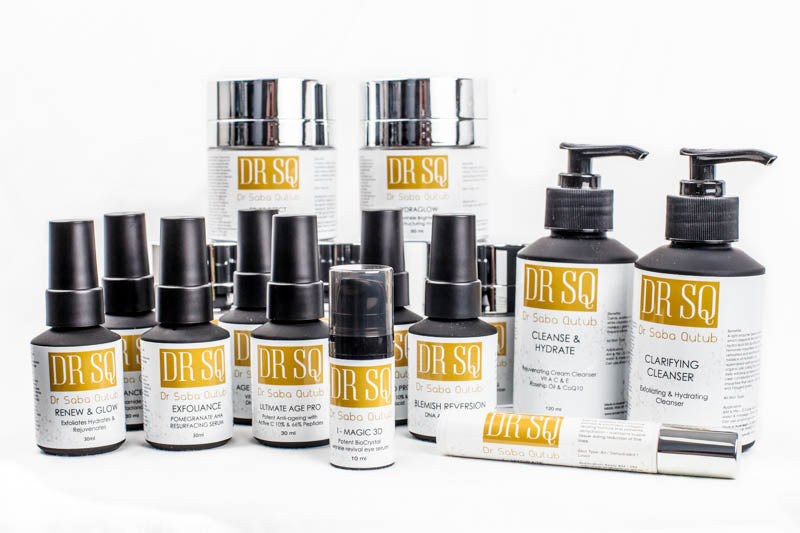
Clarifying Cleanser has a soap-free, gentle, and gel texture to help you tackle acne, breakouts, and congestion without affecting its sensitive barrier.
Made with 2.5% AHAs, including lactic, glycolic, citric, malic, and tartaric acid, Clarifying cleanser can target blemishes, deeply clean pores, and restore hydration.
Step 2: Treat with Radiance 3D
Radiance 3D has 10% niacinamide to fade pigmentation, calms skin disorders including rosacea, acne & seborrhoeic dermatitis, and shields against UV rays. Hyaluronic acid in the serum balances moisture and reduces immune-derived inflammation.
Step 3: Seal and Shield with Skin Protect SPF Moisturiser
Lock the serum benefits with an illuminating moisturiser. Skin Protect is a non-greasy, SPF 35+ infused moisturiser that hydrates, calms, and protects the skin from environmental aggressors and harmful UV rays.
PM Routine for Oily Skin
You can finish the day with the same gentle cleanser and wash it methodically.
For the serum, at night, you can consider trying Acne Clear – an acne-correcting serum with 0.5% retinaldehyde. It targets acne and evens out the complexion.
Follow with a non-greasy moisturiser that calms the skin while you are asleep. Wrap up your nighttime routine with an eye serum.
Eye Restore is a brightening eye serum with SNAP-8 peptide that can comprehensively improve your eye area by targeting dark circles, wrinkles, and puffiness. SNAP-8 peptide is a potent amino peptide that restricts the signal transmission from facial muscles to the skin. This activity helps to create a relaxed and smooth appearance.

Tips to Manage Oily Skin
After your morning and nighttime skincare routine, adopting some daily lifestyle practices and avoiding unhealthy habits can help you reach the goal of bright, less oily skin.
Hydrate From Within
Drinking enough water is healthy for all skin types and keeps your skin in moisture balance. Moisturising with creams helps, but hydrating from the inside is integral. Dehydrated skin leads to a damaged barrier, leading to congestion and breakouts.
Resist the Urge to Touch Your Face Repeatedly
You may have the urge to touch your skin to keep on your grease, but it’s unhygienic. You must avoid touching your face frequently. This can impact your skin and add to the oil buildup, leading to more acne. Furthermore, your hands can carry dirt and bacteria that can make your skin more vulnerable to poor health.
Carry Blotting Papers – A Quick Fix for Oily Skin
Use blotting papers to grasp the oil off your skin. Just carry some everywhere you go and use them accordingly. Don't rub the blotting paper on your skin. Simply take it and dab it gently all over the oily area.
Avoid Comedogenic Makeup and Skincare
Any ingredient or product having the potential to clog your pores, leading to comedones, is categorised as comedogenic. Individuals with oily or acne-prone skin are highly likely to get clogged pores from these products.
Look for the terms in labels like “non-comedogenic, oil-free” to shop for oily skin.
Mildly Exfoliate the Skin
Salicylic acid is a BHA that can gently exfoliate your oily skin. You can use exfoliating serums to avoid irritation, inflammation, or redness. They help remove buildup, smooth the skin, and prevent clogged pores.
When to See the Doctor
If you’re following all the right routines and using the correct products but your skin still isn’t improving, it’s time to see a doctor. They can prescribe medications and targeted skincare to improve your condition. However, most of the time, oily skin is manageable.
Oily Skin and Acne
Oily skin and acne often go hand in hand. People usually interlink them with others because excessive sebum can clog your pores and cause acne. Excess oil clogs your pores, allows bacteria to grow, and eventually causes breakouts.
This is the same reason you can see more acne on your T-zone. Oily skin is just one of the causes, and not every acne is caused due to the oily skin.
There are other contributing factors to acne, including hormones, genetics, bacteria, and stress. If you are cleansing your oily skin well, keeping it hydrated and moisturising, you will surely note the difference.
Does Make Up Causes Oily Skin
Wrong makeup products can certainly contribute to your oily skin by clogging your pores or triggering sebum production. But if you are choosing oil-free formulations and removing them before sleeping, you are less likely to be affected.
From foundation, concealer and contour, everything can start melting when oil secretes out from the pores. If you wear makeup for long periods without proper cleansing, using heavy and thick textures, it can mix with the sweat and sebum on the skin, causing breakouts and shine.
You can choose mattifying products and create an even base to create a solid bedrock. Powder foundations can work great for greasy skin.
Final Words
Your oily skin requires more attention than you think. The earlier you start taking care of it, the better you can prevent enlarged pores from appearing on your skin and hampering your confidence. Managing oily skin begins with understanding it deeply, following an appropriate skincare routine for morning and night.
References:
- Thais H Sakuma, Howard I Maibach, "Oily skin: an overview", 2012
- James Q Del Rosso, Leon Kircik, "The primary role of sebum in the pathophysiology of acne vulgaris and its therapeutic relevance in acne management" 2024, Dec
- Clara Emilie Syrene Østergaard, Trine Bertelsen, Hans Lomholt, Kristian Kofoed, Mette Gyldenløve, "Acne", 2025 Mar
- D T Downing, M E Stewart, J S Strauss, "Changes in sebum secretion and the sebaceous gland", 1989 Feb