

Your Complete Guide to Vitamin C for Acne-Prone Skin

If your acne and dull skin are holding you back from feeling your best, it's time to upgrade to vitamin C. Known for its role as an antioxidant in skincare, vitamin C can make a difference to your oily and acne-prone skin, associated redness, and inflammation.
Stay with us to discover the science behind vitamin C for acne-prone skin, which derivative is most useful, and how to incorporate it into your skincare routine.
What is Vitamin C
Vitamin C is water-soluble and a popular ingredient used in cleansers, moisturisers, serums, and other skincare products and cosmetics.
It's a potent and powerful antioxidant that protects the skin against environmental damage and free radicals. Popularly available as ascorbic acid, vitamin C is also available in various derivatives for similar concerns.
Can Vitamin C Reduce Acne & Breakouts
Vitamin C has antioxidant and anti-inflammatory properties that soothe acne and breakouts. Furthermore, oxidative stress is responsible for triggering acne; vitamin C fights free radicals that decrease this oxidative stress in the skin. Moreover, its anti-bacterial properties may prevent the acne-causing bacteria from settling on the skin.
Furthermore, vitamin C can stimulate collagen production in the skin, which aids in skin repair and reduces post-acne marks, including post-acne hyperpigmentation.
How Does Vitamin C Help Acne-Prone Skin
Now that we know vitamin C has some remarkable effects on your acne. Let’s explore them in detail.
Soothes Inflammation
Due to its anti-inflammatory effect, vitamin C can soothe inflammation and reduce redness associated with acne. Oxidative stress can exacerbate acne-related inflammation, and regular use of vitamin C can control that. It inhibits pro-inflammatory cytokines and reduces swelling in skin, whether it is sensitive, oily, or acne-prone.
Evens Out the Skin Tone
Collagen is a crucial skin protein that imparts structure to the skin. Vitamin C can stimulate collagen production in the skin and restrict tyrosinase, an enzyme responsible for melanin production. This leads to brighter, evenly-toned skin with fewer dark spots.
Addresses Roughness
Acne-prone skin may feel rough and bumpy due to clogged pores and dead skin buildup. Mild exfoliation can shed those dead cells, making your skin feel smooth. Regular use of vitamin C can improve the production of barrier lipids in the skin, which helps to stimulate collagen production and remove dead skin cells.
Improves Texture
After acne leaves your skin, it might disrupt the skin’s texture, leaving rough patches, enlarged pores, and even a few bumps. Vitamin C can smooth out irregularities in the skin so it gets back to its normal. It can accelerate cellular turnover and prevent further congestion of the skin.
Prevents Post-Inflammatory Hyperpigmentation

Extended periods under the sun and acne can result in post-inflammatory hyperpigmentation or PIH. Your skin exhibits a condition that may last for months. But vitamin C can diminish these dark spots if you stay consistent with its use. Wear sunscreen during the day to save your skin from unwanted UV exposure.
The Science Behind Acne-Prone Skin
Oily skin and acne-prone skin are not the same. Oily skin increases the chances of developing acne blemishes due to excessive oil or sebum production. When sebum gets mixed with dead skin cells and dirt, it can clog pores, and different types of acne can appear. Moreover, acne-causing bacteria feed on this trapped sebum, which further triggers inflammation in the skin.
If this condition is left untreated, it can lead to stubborn acne marks. There are certain causes behind acne-prone skin, including,
- Genetics: If you have genetically acne-prone skin, you will have to take extra precautions to avoid occasional breakouts.
- Hormonal imbalances: Different physical and mental conditions, such as stress, puberty, and menstruation, can trigger oil production in the skin, giving rise to acne.
- Dietary choices: Oily and spicy food or too much chilli can contribute to acne-prone skin. Moreover, high-glycemic foods and dairy can also cause acne.
-
Face masks: If you wear face masks for extended durations, you are unintentionally inviting acne. Masks can trap the bacteria and sweat inside pores, leading to acne lesions.
How to Add Vitamin C to Your Skincare Routine
You cannot be random with vitamin C or any skincare ingredient, and it must be incorporated into your skincare routine with extra care. Here's how you can use it optimally;
Start with Cleansing
Opt for a mild cleanser to remove all the dirt and sebum from your skin. It transforms your skin into a clean canvas for better absorption of vitamin C.
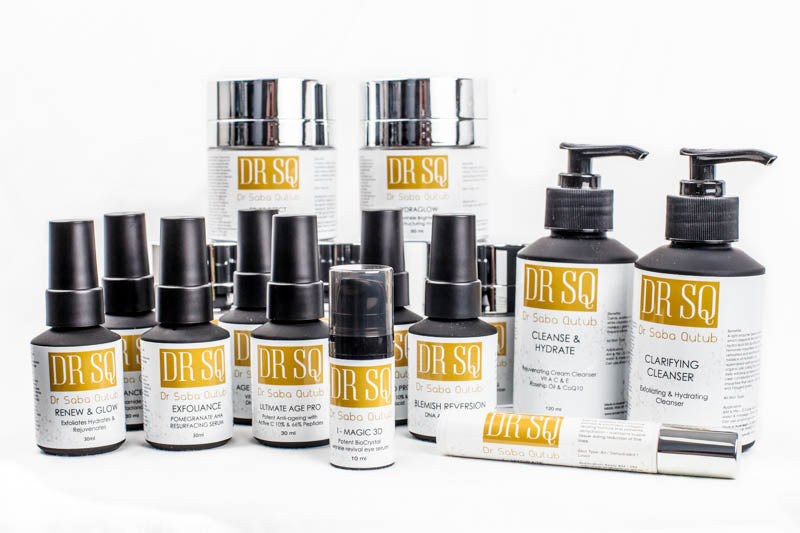
DRSQ's Clarifying Cleanser is a soap-free formula with 2.5% AHA. It gently exfoliates the skin to remove debris and dirt, restores hydration, and addresses pigmentation.

Use it as your daily cleanser in your morning and nighttime routines to combat blemishes, acne, and clogged pores.
Target with Vitamin C Serum
Apply a few drops of a vitamin C serum. Press it gently on your face and neck and let it absorb fully before the next step.
Ultra C is a 25% vitamin C serum with 15% peptides and 2% ferulic acid. It's a potent formula that treats hyperpigmentation and all aspects of ageing, and gives your skin a much-awaited boost. This serum shields your skin from harmful UV rays; however, SPF is required.

Seal with a Moisturiser
Lock in hydration with a non-comedogenic moisturiser formulated for oily and acne-prone skin. A lightweight and non-greasy moisturiser can support your skin's barrier, keep it healthy and nourished.
Yet, you must be mindful that;
- If you are already following a skincare routine for oily skin, making minor changes will help.
- Avoid harsh sulphates and alcohol-based ingredients in your skincare products as they can worsen the condition.
- Vitamin C and hyaluronic acid can be best paired to experience significant benefits for acne-prone skin.
Should You Apply Vitamin C in the Morning or at Night
Vitamin C offers superior results when applied in the morning due to its antioxidant properties. It guards against environmental aggressors like pollutants and UV rays and also reinforces the defence provided by sunscreen. Pair it with an SPF30+.
While you can use vitamin C at night, its interaction with other skincare ingredients like retinaldehyde can increase the skin's sensitivity and cause irritation and itching.
Nevertheless, it is recommended to take your doctor's advice before using it. They can suggest the best ways, appropriate pairings, concentration according to your concerns, and derivatives.
Picking the Right Vitamin C Derivative for Acne

Not all forms of vitamin C are identical. It has different forms in potency and sensitivities while offering similar purposes in skincare.
L-Ascorbic Acid: This is the most common form of vitamin C and is widely used in several skincare products. It's highly preferred due to the comprehensive research done on it, and it may help with the rejuvenation and repair process of the skin.
Sodium Ascorbyl Phosphate: It is a mild form of vitamin C that causes very little irritation, even to skin that has never been exposed to vitamin C before. Compared to other forms, it can soothe rosacea and acne-prone skin while being gentle.
Ascorbyl Palmitate: This is a fat-soluble derivative of vitamin C. This form balances antioxidant protection and stability, making it an ideal choice for irritated skin. If you have sensitive skin, ascorbyl palmitate can provide relief. Being less vulnerable to degradation, it has a good shelf life. Having said that, it is less potent than L-ascorbic acid.
Magnesium Ascorbyl Phosphate: If your skin is dry and acne-prone, this form can be suitable for you. It fights acne while hydrating the skin from within. However, any skin type requires hydration, so feel free to opt for this one.
Ascorbyl Tetraisopalmitate: It has the intense capability to go deeper into the lipid layers of your skin. This form is stable and oil-soluble. Though it was discovered later than L-ascorbic acid, it was found suitable for all skin types, including sensitive.
Does Vitamin C Clog Pores
Vitamin C can help regulate sebum production in your skin. This can mitigate the clogging of pores and the formation of acne and breakouts.
However, some vitamin C formulations with comedogenic oils or heavy ones can clog your pores. So, it's crucial to look for the added components or ingredients along with vitamin C.
Look for lightweight, non-comedogenic, and oil-free formulas to avoid skin congestion. Ascorbyl tetraisopalmitate is gentler and more effective on acne-prone skin. Remember to perform a patch test rather than directly beginning with the product.
The Big Picture
Vitamin C works well for oily and acne-prone skin if used appropriately. It manages sebum production, does not clog your pores, and helps with collagen production, brightening, and UV protection.
Always opt for the right vitamin C derivative to infuse in your acne-prone skin. A medical practitioner can help you the best in this scenario. Moreover, it is important to remind yourself that good things take time. Vitamin C can give the desired results if you are consistent and patient.
References:
-
Lehlohonolo Makhakhe, "The role of vitamin C on the skin", 2025 Jul
-
Juliet M Pullar, Anitra C Carr, Margreet C M Vissers, "The Roles of Vitamin C in Skin Health", 2017 Aug
-
S J Padayatty, M Levine, "Vitamin C: the known and the unknown and Goldilocks", 2016 Sep
-
G E MORRIS, "Use of vitamin C in acne vulgaris", 1954