

Skincare Routine with Salicylic Acid

Salicylic acid works exceptionally well for oily skin, especially if you are dealing with too much grease and associated acne. You are likely aware that salicylic acid is readily available in different formulations to incorporate into your skincare routine. But which is the most effective way to get the best out of it?
Using a salicylic acid product alone may not be enough. You need a well-maintained skincare routine and some changes in your daily lifestyle habits to control excess sebum and manage existing acne.
This blog will help you to understand and use salicylic acid for your skin type and which skincare products would work effectively for you.
What is Salicylic Acid
Salicylic acid is one of the most well-known BHAs (beta-hydroxy acids). It belongs to salicylates, a class of ingredients, and is obtained from the willow bark.
This is a mild exfoliating skincare ingredient that favours oily and breakout-prone skin the most. By penetrating deep into your skin layers, it dissolves excess sebum that can clog your pores and cause acne.
How to Use Salicylic Acid
Using salicylic acid appropriately can be a little tricky if you are a beginner. You may struggle with when to use it and how much product will work for your skin.
Follow the below-mentioned tips to help yourself with salicylic acid in your routine.
-
Start with a low concentration
While excitement about finding the right ingredient is overwhelming and understandable, you must limit yourself to the lowest concentration to know if it works for your skin type. -
Use on clean skin
Cleanse your skin properly before applying salicylic acid serum. It allows the ingredient to penetrate the pores more effectively and target excess oil, dead skin cells, and congestion. -
Ensure you apply SPF every day
Salicylic acid can make your skin more sensitive to sun exposure because it is an exfoliating acid. Applying a broad-spectrum sunscreen can prevent the skin from UV damage. -
Avoid other exfoliating agents
Salicylic acid itself is an exfoliating active. Combining it with other exfoliating acids can irritate the skin and weaken the skin barrier. -
Less is more
Don’t fall for the misconception that using more salicylic acid product will do good in less time. In fact, overapplication can either increase dryness or work not at all.
Salicylic Acid Benefits
Salicylic acid imparts multiple benefits to your skin, especially if you are prone to acne, breakouts, and blackheads. Let’s see how it helps your skin;
- Salicylic acid has an oil-soluble nature that can deeply cleanse your pores and take out all the dirt and sebum.
- Salicylic acid an exfoliating acid and can be a game-changer for your skin to mildly shed the dead skin cells. Getting off the dead cells can save your skin from breakouts, blemishes, and uneven texture.
- It serves as an important treatment for blackheads and whiteheads. Due to its antibacterial and anti-inflammatory properties, it can heal your acne-damaged skin, wounds, and lets you get rid of that shiny, greasy appearance.
Which Skin Type Can Use It
It’s a myth that only people with oily skin type can use salicylic acid. Salicylic acid is fitting for different skin types, including;
Oily skin: It’s a very popular ingredient for oily skin. This acid can be your go-to ingredient to combat greasiness on your skin due to the overproduction of sebum.
Normal skin: You can use it as a part of your regular exfoliating routine. It’s a gentle exfoliating agent that can be used one to two times a week, or as recommended by your doctor.

Combination skin: People with combination skin can use salicylic acid to target oilier areas, such as the T-zone, while maintaining balance in drier areas.
Dry skin: It can also help dry skin by gently removing dead skin cell buildup. However, it should be used cautiously and paired with a thick, creamy, and hydrating moisturiser to prevent further dryness.
Sensitive skin: People with sensitive skin should use salicylic acid after discussing it with their doctor. It should be introduced gradually and used in lower concentrations.
Skincare Routine with Salicylic Acid
Using salicylic acid in your skincare requires discipline. Understand your skin and concerns well, and know what products to try. So let’s see how you can get started.
- Start with a cleanser to deep-cleanse your pores and prepare your skin to absorb the upcoming products. Do not over-scrub, as it can be harsh on your skin.
- Continue with a salicylic acid face serum targeting your skin concerns. Take one to two drops for all over the face and neck. Dab gently and let it dry.
- Use a lightweight, non-greasy moisturiser to keep your skin hydrated from the outside. Choose a non-comedogenic one if you are prone to breakouts.
- You can end your morning skincare with a broad-spectrum sunscreen with at least SPF 30+ or higher than that.
- If you are doing the nighttime routine, you can skip the SPF and use an eye cream to complete your skincare regimen.
Don't include salicylic acid in every step of your routine. Rather, use one or two products only, or as suggested by your medical practitioner.
Skincare Products with Salicylic Acid
Salicylic acid is readily available in the market across almost all product types, from serums to body washes, exfoliating masks, and spot treatments, making it extremely easy to find a product infused with salicylic acid and to adjust it at any step of your routine.
Cleanser
It’s a simple way to introduce salicylic acid into your routine. Go with the mild cleanser with the lowest concentration. This practice doesn’t allow salicylic acid to stay on your skin for long.
If your skin is sensitive or reactive and still needs salicylic acid, you can try a gentle salicylic acid cleanser.
Serum
The most popular product type is serum, where you can target your concern directly. Salicylic acid in this form can be more concentrated. Choosing a serum can be tricky; go with the mild strength and never avoid looking at the other combined ingredients.
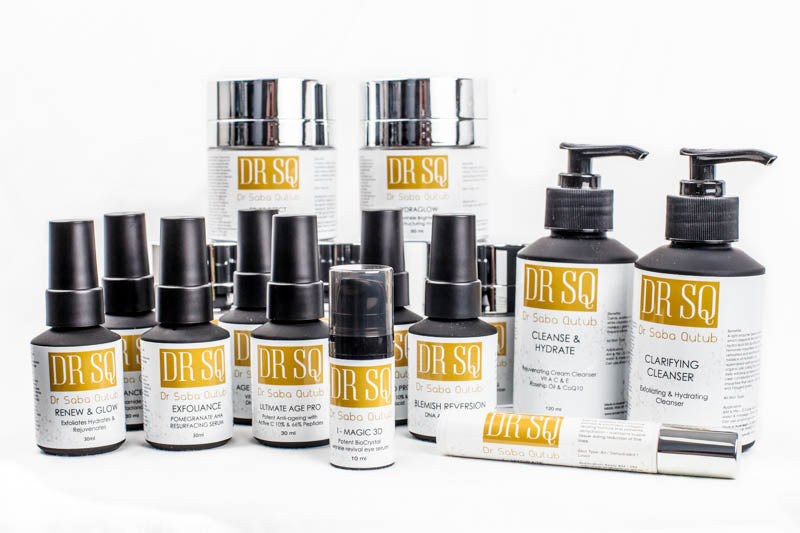
DRSQ's Repair Serum is blended with 5% salicylic acid along with biomimetic peptide and barrier-repairing botanicals for acne, pigmentation, and blackheads.

Moisturiser
You can try a salicylic acid-based moisturiser to naturally shed your dead skin cells and get a healthy and radiant complexion.
It's a convenient way to reduce redness and breakouts. Take note of the actives present in your previously applied serum so you don’t end up repeating the same ingredients or getting the wrong combinations together.
Mask
Mask treatment once a week can be effective to get that instant glow and exfoliation boost. It can dissolve oil, leaving the skin thoroughly cleansed.
Chemical Peel
This is a once-in-a-while practice that can deeply exfoliate, brighten, and reduce inflammation in your skin. It decreases the appearance of post-acne marks and inflammation associated with acne.
Exfoliating Pads
You don't require physical scrubs but salicylic acid exfoliating pads to enhance absorption and efficiency. They can remove dirt and debris, improve tone and texture to promote smooth skin.
Depending on your skin type and concern, you can use exfoliating pads one to three times a week.
Body Washes
Using a salicylic acid-based body wash can make your skin oil-free, along with helping to maintain the pH balance. It's a good option for healthy skin barrier function and can be used daily.
Before You Buy Salicylic Acid
Before you start looking for salicylic acid products, here are a few tips to keep in mind;
It's highly recommended to talk to your skin specialist/doctor before making a purchase. You can discuss your skin type, concerns, and the right concentration to start from.
Always conduct a patch test before using the product, no matter what product you have chosen. If it tingles, rinse the product off your skin with water.
Common Side Effects of Salicylic Acid
Though salicylic acid is considered a safe option for a wide range of people, you may notice a little irritation and dryness if you have sensitive skin.
- You can feel itching and peeling skin along with hives and a stinging sensation.
- If you have used high concentration or frequently, some chemical peels can lead to flaking and peeling of the skin.
- If your skin is already dry, its prolonged use can make it even drier. A moisturiser should be applied afterwards.
Conclusion
Salicylic acid is a very popular skincare ingredient used for acne. But its benefits go beyond just acne and oily skin. From controlling the overproduction of sebum to fading the post-acne hyperpigmentation, salicylic acid has your back.
It’s easy to find salicylic acid-formulated products, from cleansers to toners, but using more than one or two products with salicylic acid can cause more harm than benefit your skin.
References
- Haibo Liu, Haiyan Yu, Jun Xia, Ling Liu, Guan J Liu, Hong Sang, Frank Peinemann, "Topical azelaic acid, salicylic acid, nicotinamide, sulphur, zinc and fruit acid (alpha-hydroxy acid) for acne", 2020 May
- Jin Lu, Tianxin Cong, Xiang Wen, Xiaoxue Li, Dan Du, Gu He, Xian Jiang, "Salicylic acid treats acne vulgaris by suppressing AMPK/SREBP1 pathway in sebocytes", 2019 May
- Tasleem Arif, "Salicylic acid as a peeling agent: a comprehensive review", 2015 Aug
- Ye Liu, Yanjun Dan, Jiahong Yang, Xiaofeng He, Jingjing Liu, Yi Yi, Xing Chen, Xue Yin, Weina Song, Yueiqng Niu, Yijie Zheng, Yunfei Ai, "Clinical Efficacy of a Salicylic Acid-Containing Gel on Acne Management and Skin Barrier Function: A 21-Day Prospective Study", 2025 Jul