

vitamin-a

Your Guide to Using Vitamin A for Pigmentation
Vitamin A possess several skin benefits, including fighting ageing signs, different types of acne, and pigmentation. Whether dealing with post-acne...
Your Guide to Using Vitamin A for Pigmentation
Vitamin A possess several skin benefits, including fighting ageing signs, different types of acne, and pigmentation. Whether dealing with post-acne hyperpigmentation, melasma, or sun-induced age spots, vitamin A remains one of the most evidence-based ingredients for addressing uneven skin tone. This article explores how to use vitamin A effectively to reduce pigmentation and how you can incorporate it into your skincare regimen for the ideal results. What is Pigmentation Pigmentation is a common skin condition that can make your skin look uneven with dark patches in specific areas. Melanin is a pigment produced by melanocytes, specialised cells, and it is responsible for giving our skin its colour. Though melanin helps in preventing UV damage, its accumulation in certain areas can cause dark patches all over the skin. Certain factors can actively contribute to triggering the pigmentation, such as genetics, UV exposure, hormonal changes, inflammation, certain medications, and ageing. How Vitamin A Reduces Pigmentation Vitamin A can reduce the cellular turnover, which further helps to shed the pigmented cells faster. Newer and healthier cells replace them. This process can fade dark spots, pigmentation, and acne marks, improve uneven skin tone, and enhance overall skin tone and texture. Being a powerhouse ingredient, vitamin A can also boost collagen production in the skin, which is beneficial for visible ageing signs, like sagging skin and loose skin, premature ageing, and skin clarity. Choosing the Right Vitamin A Derivative Vitamin A derivatives work by converting into retinoic acid, the active form your skin cells actually use. The fewer conversion steps required, the more potent (and potentially irritating) the derivative. Retinol is the most commonly used form and is effective for mild to moderate pigmentation. Retinaldehyde can work better for sensitive skin types and vitamin A beginners. It is stronger and faster than retinol. Adapalene is stable and helpful for acne-related pigmentation. Tretinoin is a prescription retinoid and the most potent vitamin A derivative. It is highly effective for severe pigmentation and melasma. Also read: Retinol Vs Retinaldehyde: What Sets Them Apart When to Use Vitamin A Serum for Pigmentation The timing of your serum application can make a big difference. If you use it at the right time of the day, with the right frequency, and at the right stage in your skincare routine, it can help with pigmentation with no to less irritation. The best time to apply vitamin A is at night only. Vitamin A increases sun sensitivity; use sunscreen daily the next morning. Vitamin A derivatives can break down when exposed to sunlight, making them less effective. Secondly, your skin repairs itself while you are asleep, thus applying vitamin A at night can contribute to the process to heal pigmentation. How to Apply Vitamin A for Skin Pigmentation Start with two to three times a week, especially if you're a vitamin A beginner. Cleanse your face with a mild face cleanser to get rid of the dirt, sebum, and pollutants. Take two-three drops of vitamin A serum and apply smoothly all over the face and neck. Follow with a soothing face moisturiser. Avoid using it on nights when you exfoliate or use strong actives. Gradually increase the application frequency as your skin builds tolerance. Can I Pair Vitamin A with Other Ingredients to Combat Pigmentation? Vitamin A can be paired with other skincare ingredients, but with care and attention. In fact, strategic layering can help create a comprehensive approach to address pigmentation and dark spots. Having said that, randomly combining ingredients with vitamin A can worsen the condition and invite moderate to severe side effects. When combined with vitamin A, vitamin C can inhibit melanin production and brighten the dark spots. Niacinamide, when mixed with vitamin A, reduces melanin transfer from melanocytes to skin cells, strengthens the skin barrier, calms inflammation, and hyaluronic acid provides intense hydration that counteracts the dryness vitamin A can cause. How Long Does Vitamin A Take to Show Results for Pigmentation? There is no fixed answer to how long it takes for vitamin A to show results. Vitamin A works through biological processes that simply can't be rushed. Results depend upon the type of pigmentation, your skin type, the vitamin A derivative, and the concentration you use. Skipping sunscreen can delay or reverse progress. It may take from 4 to 6 weeks to 6 months or more. You need patience and consistency. Vitamin A Serum for Pigmentation DRSQ Miracle ProVitamin serum is a well-formulated, level 2 vitamin A serum with 0.5% retinaldehyde. It combines niacinamide to reduce hyperpigmentation and even out skin tone, tetrapeptide-30 to improve brightness and evenness, and hyaluronic acid to plump and hydrate thin skin. Miracle Pro Vitamin serum can work well for fine lines & wrinkles, rosacea, acne, and uneven skin tone in addition to hyperpigmentation. Conclusion Not all vitamin A derivatives are the same and equal. The derivative you choose can make or break your skincare routine. Consider the factors, including skin type, skin sensitivity, and concentration, while choosing the vitamin A derivative for your skin pigmentation. Apply your vitamin A serum at night and follow with an SPF the next morning. Pigmentation can take time, but with the right skincare, you can achieve your goal with consistency and care. References B A Gilchrest, "Retinoids and photodamage", 1992 Sep Amin Mahmood Thawabteh, Alaa Jibreen, Donia Karaman, Alà Thawabteh, Rafik Karaman, "Skin Pigmentation Types, Causes and Treatment-A Review", 2023 Jun Jennifer Y Lin, David E Fisher, "Melanocyte biology and skin pigmentation", 2007 Feb D A Brown, "Skin pigmentation enhancers", 2001 Oct

How to Choose the Right Vitamin A Serum?
Vitamin A has earned its reputation in skincare due to its proven effectiveness and versatility. It is among the few...
How to Choose the Right Vitamin A Serum?
Vitamin A has earned its reputation in skincare due to its proven effectiveness and versatility. It is among the few ingredients with decades of solid scientific backing for its anti-ageing claims and skin-renewing benefits. However, not all vitamin A serums are created equal. The right serum depends on your skin sensitivity, experience with actives, and specific concerns. If you're looking to buy the right vitamin A serum, this blog outlines a few factors you must consider. Vitamin A Benefits Vitamin A is available in several forms, including retinol, retinaldehyde, tretinoin, and adapalene. Each form differs in strength, speed of action, and how well the skin tolerates it. Vitamin A benefits the skin in various ways, including; Increasing the cellular turnover Combating fine lines, wrinkles, and other signs of ageing Improving the collagen production Reducing breakouts, acne scars, and post-acne hyperpigmentation Revitalising overall skin quality Let's explore the factors you need to consider before investing in a vitamin A serum. Choose a Vitamin A Derivative First, it is important to choose which form of Vitamin A to use. Each retinoid has its own characteristics, and it is important to understand which one will best support your skin type and skin concern. Retinol: Retinol is the most popular derivative of vitamin A. But it needs to get converted into retinoic acid, which makes the results slower. The smarter and gentler alternative is retinaldehyde. Retinaldehyde: Retinaldehyde lies somewhere in the middle of retinol and retinoic acid in potency, and requires a single-step conversion to become active. It can deliver more effective results with less risk of irritation, making it a better option for sensitive skin. A study indicates that retinaldehyde has favourable impacts on the vascular component of rosacea. Retinoic Acid: It is the biologically active form of vitamin A and the most potent derivative. It works without needing conversion, which gives faster results. Retinyl Palmitate: This is the most gentle form, which can suit sensitive skin or vitamin A beginners. It's less potent than retinol but more stable and gentler. Retinyl Acetate: It is another low-potency option with a slow-release formula. It promotes radiance and addresses early signs of ageing gradually, making it suitable for those just starting with vitamin A. Start With the Right Strength Choosing a high-strength vitamin A serum in the beginning can leave side effects, certain reactions, irritation, dryness, and disruption of the skin barrier. You need to build your skin's tolerance over time. Start with the lowest concentration possible and apply it two to three times a week in your nighttime skincare routine. Sun exposure can push your skin to react while you're undergoing vitamin A topical application. Ensure to apply SPF 35+ or a suitable SPF moisturiser. Once the tolerance is established, you can smoothly move to a one step higher concentration. Check the Formulation What surrounds the vitamin A in a serum matters just as much as concentration. The combined ingredients can contribute to increasing your serum's effectiveness. When buying vitamin A serum, look for the following supporting ingredients in the formula; Hyaluronic Acid: A popular hydrating ingredient that works for all skin types. Hyaluronic acid complements vitamin A, penetrates deep into the skin, and moisturises evenly. Niacinamide: Niacinamide strengthens the skin barrier, soothes inflammation, and can help with vitamin A effectiveness. Peptides: They can boost collagen production. When combined with vitamin A, peptides are more effective than alone to fight anti-ageing for certain skin types. Antioxidants: Pair vitamin A with antioxidants like vitamin E and CoQ10 to shield the skin against free radical damage. Consider Your Skin Type Understanding your skin type is necessary, even when you are not looking for any product. It is the foundation of your skincare and related practices. Every skin type is unique and has different needs. Dry skin can feel tight after cleansing, and oily skin requires lightweight face moisturisers. Individuals with sensitive skin should be particularly mindful of what they are applying. Furthermore, changing skin also seeks your attention during the changing weather conditions. To understand your skin type, refer to our detailed guide: Know Your Skin Type Know Your Concerns Regular flare-ups can be different from seasonal flushing in sensitive skin. They might be confusing, but if you pay attention to the triggers, it can be easier to find a skincare regimen. Common skin concerns, such as acne, fine lines, post-acne hyperpigmentation, and uneven skin tone, require different care. Concerns need to be carefully studied. If the doubt persists, it's advisable to see the doctor. Vitamin A serums containing retinaldehyde can help with texture, ageing concerns, and acne. It’s best to begin with the lower concentration. Check Packaging and Stability Packaging plays a part in how effective vitamin A remains over time. It is a sensitive ingredient and can break down when it comes in contact with air, light, and heat. Be cautious while choosing the product packaging, as a poor one might reduce the potency. Go for the opaque packaging with proper air-tightening for stability and longer effectiveness. Seek a Doctor's Advice If you feel stinging and irritation, you might be using the wrong ingredient, concentration, or procedure. You must ask your doctor. They can help you to understand your concern, skin type, current condition, and the right product to help your concern while soothing the sensitive skin. If you are a vitamin A beginner, and your skin fights with almost all actives, in this case, you also should see the doctor. DRSQ Vitamin A Serums DRSQ offers 3 strength vitamin A serums in different concentrations for beginners, intermediate, and advanced. Along with retinaldehyde, our serums are blended with niacinamide, lactic acid, and DNA peptides to improve fine lines, wrinkles, fight acne, and uneven skin tone. Starter Vitamin A has 0.25% retinaldehyde and works ideally for individuals new to vitamin A. If your skin has already been introduced to vitamin A and can tolerate an intermediate level, Miracle Pro Vitamin serum has 0.5% retinaldehyde to fight ageing signs and acne. Advanced Vitamin A serum can help with fine lines and wrinkles, pigmentation, and oily skin with !% retinaldehyde. References L Schoeff, "Vitamin A", 1983 Jun P Creidi, P Humbert, "Clinical use of topical retinaldehyde on photoaged skin", 1999 Siddharth Mukherjee, Abhijit Date, Vandana Patravale, Hans Christian Korting, Alexander Roeder, Günther Weindl, "Retinoids in the treatment of skin aging: an overview of clinical efficacy and safety", 2006 Bezaleel 1, Kieran T Mellody, Orsolya Kiss, Clare O'Connor, Mike Bell, Rachel E B Watson, Abigail K Langton, "Cosmetic retinoid use in photoaged skin: A review of the compounds, their use and mechanisms of action", 2025 Feb

What Does Vitamin A Do for the Skin? Types & Be...
Vitamin A, popularly known as retinoids, carries various benefits when it comes to skincare. From improving premature fine lines to...
What Does Vitamin A Do for the Skin? Types & Be...
Vitamin A, popularly known as retinoids, carries various benefits when it comes to skincare. From improving premature fine lines to tackling acne in teens, vitamin A has a multitude of advantages. Ageing is one of the most common concerns where you witness people using vitamin A derivatives. But knowing vitamin A is essential before incorporating it into your skincare. All vitamin A derivatives are not the same and may or may not work effectively for your daily routine. This blog will deeply introduce you to vitamin A in skincare, its benefits and types, and how you can use it competently. What is Vitamin A Vitamin A is a group of fat-soluble compounds that can heavily contribute to our skin's health. They behave with the skin in different ways based on their chemical structure and properties. Retinoic acid is the active form—the one that interacts directly with skin cells. Some of the most well-talked compounds in skincare are; Retinol Retinaldehyde or Retinal Retinyl Esters Retinoic Acid You may confuse vitamin A with retinoids. They are related, but not the same. Vitamin A is an umbrella term for these fat-soluble compounds, and retinoids are the vitamin A derivatives used in dermatology. Also Read: 10 Facts to Know Before Adding Retinoid to Your Skincare Routine What Does Vitamin A Do For the Skin Vitamin A can accelerate the cellular renewal in the skin, boost elastin and collagen production, and even out your skin tone. Here's what it can do for your skin in detail; Fight Ageing Signs Whether it is visible signs of ageing like crow's feet or smile lines, or stubborn loose skin, vitamin A derivatives can show a significant difference with the consistent use. Some retinoids, like retinol and retinaldehyde, can induce collagen production, which further helps in making your skin plump and youthful. Dermatologists suggests retinoids can help with treating photoageing. Helps with Acne Vitamin A has the ability to mildly exfoliate the skin and remove dirt, oil, and dead skin cells that can clog your pores to cause acne. The American Academy of Dermatology Association suggests using topical retinoids to manage teen and adult acne. Fades Dark Spots and Hyperpigmentation Acne scarring, sun spots, or widely spread post-acne hyperpigmentation, retinoids can improve the condition by promoting cellular turnover. Some retinoids can reduce the melanin production and brighten your skin tone. Improve symptoms of Eczema & Psoriasis Vitamin A, if used in the mild form or low concentration, can provide relief from several skin conditions, including eczema, rosacea, and dermatitis. It can soothe inflammation and aid in associated itching. Is Vitamin A the Same As Retinol Vitamin A is a broad term encapsulating different fat-soluble compounds, and retinol is one of them. Retinol, being the most popular vitamin A derivative, is often used interchangeably with vitamin A or even retinoids. But it is not the same as vitamin A. Popular Vitamin A Forms Used for different purposes, you can find vitamin A in the following popular and easy-to-find forms; Retinol: Retinol needs to be converted into an active form, retinoic acid, before starting its action in the skin; it takes two steps to do so. From unclogging pores to treating wrinkles and sagging skin, retinol is readily available in over-the-counter form in various strengths. Retinaldehyde: Retinaldehyde is gentler and more potent than retinol and has recently been popular for its mild nature, but it has similar benefits to retinol. It takes just one step to form retinoic acid, which makes it a faster option. Retinoic Acid: Retinoic acid is already an active form, and it needs no conversion; hence, it plays a crucial role in skincare and the medical industry. Individuals with severe acne types, skin conditions like rosacea, and pigmented skin are often prescribed retinoid acid. It cannot be availed in the OTC form. Retinyl Palmitate: People with sensitive skin have a good alternative. It is mild on the skin, does not aggravate the inflammation, but soothes it. Though it is less potent than retinol, but can improve complexion and texture by contributing to the skin’s elasticity. While these are the popular vitamin A used in skincare, other forms like adapalene and retinyl acetate hold much value in treating concerns and offer alternative options for those with different skin sensitivities and treatment needs. Vitamin A Skincare Routine Creating a vitamin A skincare routine is no fuss. You have to be cautious with a few things, and you can get started. We recommend using vitamin A in your nighttime routine, as they are sensitive to sunlight. Be it any vitamin A type. Begin with a mild, hydrating cleanser that does not dry off the skin. Cream Cleanser can be used to remove makeup, wash away all the dirt, oil, and debris. Its cream-based formula treats your skin softly and nourishes the nutrient-deficient skin. Those looking for a gel-based formula can try Clarifying Cleanser. Apply two to three drops of a vitamin A serums on the face and neck. Don’t rub and let it dry on its own. DRSQ offer Starter Vitamin A for beginners, Miracle Provitamin for intermediate users, and Advanced Vitamin A for experienced ones. Choose a face serum according to your skin type and concern. Use a moisturiser according to your skin concern and type to lock in the hydration. Hydrafusion has snap-8 peptide infused in a lightweight, luxurious formula to provide anti-wrinkle and anti-dryness benefits. If you are dealing with sensitive skin or inflamed skin, Hydracalm can help with redness and scaling. Put an end to your routine with an eye serum to target under-eye puffiness, wrinkles, or dark circles. Ensure using serums that have peptides and hyaluronic acid. Best Practices to Use Vitamin A Let's walk you through some essential tips to get started with vitamin A and use it efficiently. If you are a beginner with vitamin A, be it any form, start with a low concentration. Don’t use it daily, but a few times a week. This practice helps you to build your skin’s tolerance for vitamin A. Though some little reactions like flakiness or itching are common, immediately rush to the doctor if these symptoms elevate to the point where you feel unable to bear. Ensure to apply SPF following the two-finger rule on your face and neck. It protects your skin and does not hinder vitamin A from rejuvenating your skin from within. Buy a vitamin A serum in an air-tight pack only, as it is sensitive to air, heat, and light. An air-tight packaging ensures the formulation stays stable, preventing oxidation. FAQs Is vitamin A suitable for acne-prone skin? Yes, vitamin A derivatives like adapalene, retinaldehyde, and tretinoin are effective in treating acne-prone skin. From unclogging pores, preventing breakouts, to speeding cell turnover, they are often recommended to improve the condition. What is the best age to start using vitamin A? It's a popular misconception that individuals with only mature skin can use vitamin A. But that's not true. Many types of vitamin A are suggested for teen acne and associated conditions. But it should be under the guidance of your doctor. Many experts recommend starting to use vitamin A in your mid-20s when your collagen production begins to decline. Can I use vitamin A on my sensitive skin? Vitamin A can be used on sensitive skin when taken in the lower strength or gentler form. Retinaldehyde is a milder form than retinol and other derivatives, reducing the chances of irritation, itching, and redness. Can I layer vitamin A with niacinamide? Yes, combining retinol with niacinamide is generally safe to use. Niacinamide can calm the irritation caused by retinol. If your skin is too reactive, you must ask your doctor before trying on this combination. References: Bezaleel Mambwe, Kieran T Mellody, Orsolya Kiss, Clare O'Connor, Mike Bell, Rachel E B Watson, Abigail K Langton, "Cosmetic retinoid use in photoaged skin: A review of the compounds, their use and mechanisms of action", 2024 Aug Daniela Milosheska, Robert Roškar, "Use of Retinoids in Topical Antiaging Treatments: A Focused Review of Clinical Evidence for Conventional and Nanoformulations", 2022 Oct Valerie D Callender, Hilary Baldwin, Fran E Cook-Bolden, Andrew F Alexis, Linda Stein Gold, Eric Guenin, "Effects of Topical Retinoids on Acne and Post-inflammatory Hyperpigmentation in Patients with Skin of Color: A Clinical Review and Implications for Practice", 2021 Nov Siddharth Mukherjee, Abhijit Date, Vandana Patravale, Hans Christian Korting, Alexander Roeder, Günther Weindl, "Retinoids in the treatment of skin aging: an overview of clinical efficacy and safety", 2006 Dec

How’s Retinaldehyde Different From Tretinoin?
Retinaldehyde and tretinoin, along with other vitamin A derivatives, belong to a class of compounds called retinoids. Whether it’s targeting...
How’s Retinaldehyde Different From Tretinoin?
Retinaldehyde and tretinoin, along with other vitamin A derivatives, belong to a class of compounds called retinoids. Whether it’s targeting frown lines, smile lines, or relieving adolescent acne, retinaldehyde and tretinoin are often considered. However, while they share a common origin, they are not created equal. This blog will break down the key differences between retinaldehyde and tretinoin, so we can get to know which one to use and when. Retinaldehyde & Its Benefits Retinaldehyde is one of the recently popular vitamin A derivatives that share similar properties to retinol. But it is milder and more potent than retinol – the reason behind its growing fame among skincare enthusiasts. It is a safe option for sensitive skin, reactive skin, and retinoid beginners. Here are the notable advantages of retinaldehyde; It can vanish your visible signs of ageing, be they premature, photo-induced, or natural skin ageing. Retinaldehyde can increase the cellular turnover in the skin and boost collagen production. Individuals struggling with post-acne hyperpigmentation, dark spots, and other marks can find retinaldehyde helpful. It does so by restricting the activity of an enzyme responsible for melanin production, tyrosinase. Retinaldehyde can show significant differences in different types of acne. Moreover, it can also aid acne-scarring and manage oil production. Tretinoin & Its Benefits Commonly sold under the brand name Retin-A, tretinoin is a vitamin A derivative available only in prescription form. Also known as all-trans retinoic acid, it can also encourage cellular turnover. Tretinoin can be found in 0.05% lotion and solution, 0.1%, 0.05%, and 0.025% cream, and 0.01%, 0.1%, 0.08%, and 0.05% in gel. Topical tretinoin can improve aged-appearing skin. Tretinoin is not as common as other forms of vitamin A, but it has been a proven treatment for the following for decades; Healing cystic acne and can treat both inflammatory and non-inflammatory acne Unclogging pores Gently exfoliating the skin Improving fine lines and wrinkles, and photoageing Hydrating the skin and helping with a rough texture Retinaldehyde Vs Tretinoin: Key Differences Retinaldehyde takes only one step to get converted into retinoic acid, an active form; thus, you can expect faster results with consistent use. But tretinoin is faster, it is already an active form, retinoic acid, thus requires no conversion to start acting on the concern. Available in both over-the-counter and prescription forms, retinaldehyde is available in different strengths. While tretinoin can be obtained with a doctor’s prescription only. Retinaldehyde or retinal is more potent than retinol, but tretinoin is even more potent than both of these. People struggling with severe acne can be prescribed tretinoin. It also helps with widely spread stubborn pigmentation, along with showing positive results in fighting ageing signs. It can regulate sebum production, hence recommended for oily skin. Whereas retinaldehyde can produce noticeable improvement in signs of ageing, moderate acne, and sensitive skin concerns. While retinaldehyde is a gentle form, tretinoin can be a little harsh on the skin, especially if you are newly introduced to the ingredient. Also Read: Adapalene Vs Tretinoin: Comparing Them for Wrinkles, Uses, and Side Effects Tretinoin or Retinal: Which One Should You Use? It might confuse you to choose between tretinoin and retinaldehyde with so many available options and considerations. But if you are aware of your concern, skin type, and sensitivity, you can make an informed decision. Retinaldehyde can favour sensitive skin as it is mild, and tretinoin can be harsher. But for targeted treatments, tretinoin can achieve desirable results. Moreover, retinaldehyde is easily available in different strengths and does not have any major side effects. If you are to choose for combating ageing, retinaldehyde can be a better choice. But it’s best to consult your doctor for suitable advice and avoid potential risks. Having said that, tretinoin works effectively for fighting ageing and acne problems. It acts directly as retinoic acid and can help with the skin's texture within a few months. Is Tretinoin Better Than Retinaldehyde? Both ingredients have their areas of expertise. No one is better than the other. When it comes to dealing with acne and hyperpigmentation, tretinoin can be preferred. On the other hand, retinaldehyde is often suggested for ageing concerns and achieving an even skin tone. People with sensitive skin should opt for retinaldehyde as it is gentler. How to Start With Retinaldehyde You must know your skin type and what concerns you are currently facing, then choose a face serum accordingly with a low-strength formulation. Don’t forget to pay attention to the other ingredients in the formula. To help you understand, if you are dealing with fine lines on your dehydrated skin, you can opt for a retinaldehyde product with hyaluronic acid. Start your nighttime skincare routine by washing your face and neck with a mild, soothing cleanser. Get a gel-based or cream-based cleanser, according to your skin’s texture. Then, apply a few drops of retinaldehyde serum. If you are a beginner, DRSQ’s Starter Vitamin A serum can be your go-to option. It has only 0.25% retinaldehyde to heal your skin without causing irritation or increasing its sensitivity. You can continue with a moisturiser. Collagen Boost moisturiser is 75% organic with vegan DMAE, MSM, and organic oils to firm and lift the sagging skin. End your routine with Eye Magic overnight recovery night balm to rejuvenate the delicate eye area. DRSQ has 3 strengths of vitamin A serums, which you can choose according to your skin tolerance level. Can I Combine Retinaldehyde With Tretinoin? It’s not recommended to combine both these vitamin A derivatives together, as they can increase the irritation risks along with dryness. Powerful effects of both retinaldehyde and tretinoin can disturb your skin barrier. You can analyse your skin concern and stick to one ingredient rather than mixing the two. Moreover, there is no “need” to use them together. Key Takeaways A clear understanding of how retinaldehyde and tretinoin work helps you to set the right goals for your skincare journey. While retinaldehyde can be a mild option, especially if you are a beginner, tretinoin needs a prescription and a targeted approach. Both are effective for achieving results against fine lines, wrinkles, acne and pigmentation. References: Zoya Siddiqui 1, Alina Zufall 2 3, Marissa Nash 2, Divya Rao 2, Rahim Hirani 2, Marian Russo, "Comparing Tretinoin to Other Topical Therapies in the Treatment of Skin Photoaging: A Systematic Review", 2024 Nov Daniela Milosheska 1, Robert Roškar, "Use of Retinoids in Topical Antiaging Treatments: A Focused Review of Clinical Evidence for Conventional and Nanoformulations", 2022 Dec E G Thorne, "Topical tretinoin research: an historical perspective", 1990 Daniela Milosheska 1, Robert Roškar, "Use of Retinoids in Topical Antiaging Treatments: A Focused Review of Clinical Evidence for Conventional and Nanoformulations", 2022 Dec Siddharth Mukherjee 1, Abhijit Date, Vandana Patravale, Hans Christian Korting, Alexander Roeder, Günther Weindl, "Retinoids in the treatment of skin aging: an overview of clinical efficacy and safety", 2006
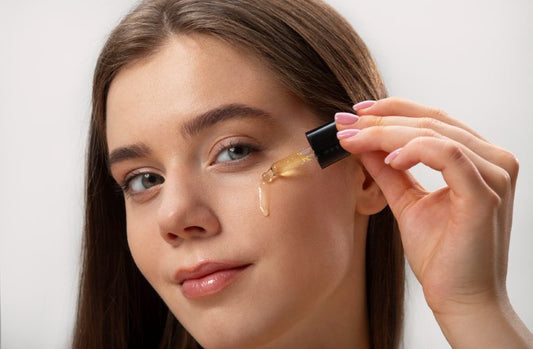
Dermatologists’ Approved Best Retinaldehyde Ser...
Retinaldehyde is a comparatively recently discovered vitamin A derivative that is quite popular to help with, but is not limited...
Dermatologists’ Approved Best Retinaldehyde Ser...
Retinaldehyde is a comparatively recently discovered vitamin A derivative that is quite popular to help with, but is not limited to, anti-ageing benefits. It can support the skin's cell regeneration to provide younger-looking skin, and can reduce congestion to prevent blemishes and post-acne hyperpigmentation. Retinaldehyde, commonly called retinal, can function as an oxidant to counteract free radicals, to provide you with anti-ageing benefits for photodamaged skin and help with fine lines, wrinkles, and smile lines. These days, more and more people are turning to retinaldehyde serums, and they’re a great way to incorporate retinaldehyde into your skincare routine. Serums are convenient to carry, come with a non-oily texture, and get absorbed quickly into the skin. But are all retinaldehyde serums the same? The answer is no. So, which retinal serums can you trust? That’s exactly what we’ll discuss in this blog. 1. Starter Vitamin A Serum By DRSQ Starter Vitamin A is a level 1 vitamin A serum, dermatologically tested to reverse topical signs of ageing. It is specifically formulated for the vitamin A beginner, so if you have not tried vitamin A in your life, this is your go-to product to start with. It has 0.25% retinaldehyde, which is non-irritating, boosts the natural cell renewal process, and is able to create volume in dermal tissues. Retinal is infused with niacinamide to help with sensitivity and hyperpigmentation, tetrapeptide-30 to aid acne lesions and relieve melasma, and ultra-low-weight hyaluronic acid to provide your skin with intense moisture. Individuals looking for an age-defying serum to fight breakouts, even skin tone, and brighten dull skin can apply two to three drops of the Starter Vitamin A serum on a cleansed face at night and follow with a moisturiser. 2. Miracle ProVitamin Serum By DRSQ When your skin becomes accustomed to the beginner vitamin A, you can move on to a more potent retinoid. One can rely on Miracle ProVitamin serum after using Starter Vitamin A for a few weeks. It has 0.5% retinaldehyde, which can restore the skin's firmness and elasticity. Miracle ProVitamin serum has niacinamide, tetrapeptide-30, and hyaluronic acid for anti-ageing benefits, along with aiding in hyperpigmentation and rosacea. It regulates the skin, deals with sensitive skin and fine lines and wrinkles. This strength is ideal to enhance the skin's natural defence and restore a luminous and healthy glow. This will be used just like a Starter Vitamin A serum. 3. Advanced Vitamin A Serum By DRSQ If your skin can handle 1% retinaldehyde after getting used to gentler retinoids, Advanced Vitamin A is the serum to switch to. It is backed by the strongest anti-ageing benefits. This serum has a superior formula powered by liposomal retinaldehyde and a completely active biomimetic system to help reduce scar tissue, plump the skin's deeper layers, and fight uneven skin tone. It can target your ageing symptoms like wrinkles to fine lines more efficiently and deeply. Once your skin builds its tolerance for lower vitamin A strengths, this strength can deliver more lasting results in elasticity. 4. Crystal Retinal 6 By Medik8 Crystal Retinal 6 serum has fast wrinkle-reducing power and delivers improvements in pigmentation, texture, and dullness. Along with retinaldehyde, this serum is formulated with hyaluronic acid to draw and retain moisture to the upper layers of the skin, vitamin E to guard against radical damage, and glycerin to keep your skin nourished and replenished from within. Use this in your evening skincare routine and don’t forget to apply sunscreen the next morning. 5. Very Amazing Retinal By Go-To Skincare Very Amazing Retinal has 0.25% retinaldehyde combined with niacinamide to even out the skin tone and fortifies your skin's barrier, peptides to lift the skin around the mouth, nose, and brows, orobanche extract for keeping your skin healthy and hydrated, and mushroom extract and centella to protect the skin. Apply one to two pumps on dry skin after cleansing it with a mild cleanser, extending to the neck and chest. Let the serum fully absorb before layering other products. 6. Retinal 0.2% Emulsion By The Ordinary For individuals looking for a high-strength retinaldehyde formula, Retinal 0.2% Emulsion helps in advanced age support. It can fix your textural irregularities and uneven skin tone. Suitable for all skin types, another beneficial ingredient in this emulsion is synthetic oat analogues. How to Choose the Right Retinal Serum? Choosing the perfect retinaldehyde serum for your skin is a complex task, but there are a few aspects that you must pay attention to. You should know your skin type, whether it is too sensitive, very dry or oily, to pick the appropriate formulation. Reactive skin may require going with niacinamide and ceramides to soothe it. For oily and acne-prone skin, you can look for oil-free or non-comedogenic formulas that are made to specifically target blemishes, breakouts and give a refined texture. If your skin is mature or wrinkled, and you have already used lower-strength retinoid formulations, you can look for higher-concentration formulas with retinaldehyde. Moreover, look for tight, airless packaging to ensure the product is well protected and maintains its potency over time. How to Use Retinal Serum? If you are new to retinaldehyde, don't use the high-strength formula out of excitement or desperation to get rid of your concerns. This can even worsen your skin condition. Calmness is the key. You can ask your doctor to help you with the recommendation, or you can rely on a good beginner's formula by DRSQ. Do a patch test and go slow. Apply retinaldehyde lower-strength serum one to two times a week in the nighttime routine and apply the sunscreen the next morning. Once your skin adapts to this new ingredient, you can slowly increase the application frequency. The Endnote Retinaldehyde is one step closer to the active vitamin A form, that is retinoic acid, so it tends to deliver faster results. Furthermore, retinaldehyde can be suitable for sensitive or reactive skin. It is gentle and mild, may cause less irritation and dryness. Whenever you’re searching for a suitable retinaldehyde serum, you can consider our tips and recommendations in mind, or you can also consult a doctor for the perfect advice. References: Olivier Sorg, Stéphane Kuenzli, Gürkan Kaya, Jean-Hilaire Saurat, "Proposed mechanisms of action for retinoid derivatives in the treatment of skin aging", 2005 Dec Aanand N Geria 1, Christina N Lawson, Rebat M Halder, "Topical retinoids for pigmented skin", 2011 May Andres Cordero, Gladys Leon-Dorantes, Annick Pons-Guiraud, Anonio Di Pietro, Santiago Vidal Asensi, Barbara Walkiewicz-Cyraska, Radek Litvik, Virginie Turlier, Sophie Mery, Christelle Merial-Kieny, "Retinaldehyde/hyaluronic acid fragments: a synergistic association for the management of skin aging", 2011 June
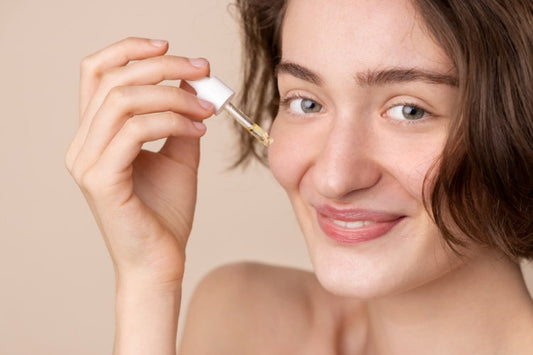
10 Facts to Know Before Adding Retinoid to Your...
Very few would dispute that retinoids are among the most utilised and research-backed skincare ingredients that address concerns like acne,...
10 Facts to Know Before Adding Retinoid to Your...
Very few would dispute that retinoids are among the most utilised and research-backed skincare ingredients that address concerns like acne, pigmentation, fine lines, and wrinkles. However, alongside popularity, many perpetuated myths are associated with retinoids. These myths are believed by many skincare enthusiasts around the globe and make them hesitant to use retinoids in their skincare. This blog will bust all popular beliefs related to retinoids in skincare and reveal the truth behind them. Myth 1 - All retinoids are the same Retinoids are a group of compounds derived from vitamin A. Retinoids come in different forms, ranging in several strengths. You can opt for prescription-strength in oral or topical form or go for the over-the-counter formulations. OTC retinoids are usually gentle on the skin and are used in treating inflammation and wrinkles. To combat hyperpigmentation, psoriasis and ageing skin, more potent forms would work better. “Retinoid” is an all-catch term that includes many derivatives. While retinol is the most popular, retinaldehyde, retinyl esters, and adapalene have recently started gaining their due. So, not all retinoids are definitely not the same. Also Read: Retinol Vs Retinaldehyde: What Sets Them Apart? Myth 2 - The stronger the retinoid, the better the outcome It's not at all true that only stronger strengths can provide better results. Even using a smaller concentration consistently can yield reliable results. The truth is that trying higher concentration retinoids without building your skin's tolerance for it can result in moderate to severe side effects like inflammation, irritation, and increased sensitivity. Using stronger formulations as a beginner can be risky and may end up worsening your condition. Myth 3 - Retinoids make your skin thinner Retinoids can stimulate collagen production in the skin, which is contrary to popular belief that they lead to skin thinning. Some individuals may experience peeling and irritation in the beginning, which backs this myth. This is your skin's way of responding to a completely new ingredient. The truth is that when a retinoid is applied to the skin in a disciplined skincare regimen, it can thicken the skin by boosting collagen synthesis. This leads to healthier, plumper, and rejuvenated skin. Myth 4 - You don’t need retinoids until you’re older There is no age bar to using retinoids. People of any age can incorporate retinoid into their skincare routine, depending on their needs. In fact, they were introduced for the treatment of acne in younger individuals. Later on, other benefits of retinoids were discovered, and by the time, it was labelled as "anti-ageing ingredient." It can treat post-acne hyperpigmentation, sun-damaged skin, blemishes, to several skin conditions like psoriasis. Moreover, retinoids can prevent and treat certain types of skin cancer. So, it would be a mistake to label them as an ingredient only for mature skin. Myth 5 - Retinoids harm the under-eye skin Skin around the eyes is delicate, thin, and sensitive. Hence, many believe that using retinoids would harm it. There's no truth in this notion. As it turns out, your under-eye area is one of the first regions to get affected by fine lines and retinoids, being the collagen-stimulating ingredient, can smooth them. However, you must be careful with the strength, formulation, and application while choosing a retinoid for your under-eye circles. Myth 6 - Retinoids exfoliate the skin Retinoids are often regarded as harsh exfoliants, but they are not. They do not behave like chemical exfoliants like glycolic acid, lactic acid, or salicylic acid. But they certainly participate in regulating the cellular turnover to shed old cells and replace them with new ones. Due to their common side effects of skin peeling and redness, one might assume that exfoliating the skin. But that's a simply false belief. Myth 7 - People with sensitive skin should not use retinoids Retinoids are thought to be a harsh ingredient and not suitable for sensitive skin types, but that is a misconception. Every sensitive skin is different to each other, and may or may not tolerate retinoid. While they might be a little strong, those with sensitive or reactive skin may adopt a different approach to using them. One can begin with a lower-strength formula and apply it two to three times a week to assimilate their skin to the formula. Applying moisturiser and sunscreen is non-negotiable. Myth 8 - Retinoids give fast results There is nothing like overnight results with using retinoids or any skincare ingredients. Depending upon your skin type, concerns, and formulation you choose, it can take up to a few weeks to several months to deliver results. In some cases, individuals can start noticing the difference in some weeks only, but that's not the general case. Patience is required to see long-lasting results and healthier skin. Myth 9 - A pea-sized amount won't work Applying more product does not affect the results. In fact, it can lead to product waste and unwanted side effects like peeling and drying. If you are using a retinoid serum, one to two drops are sufficient for the face and neck. Just ensure you are applying politely and thoroughly. Effective application has nothing to do with a larger amount of product. Myth 10 - Using retinoids will make your skin red and peel Though there can be some probable reactions in the beginning, those are usually harmless and do not escalate under normal circumstances. This may be your skin's way of adopting retinoids. These effects normally fade away once your skin builds tolerance for retinoids. But considering skin peeling and redness as permanent side effects would be unfair. How to Start With Retinoids As a beginner, you have to be cautious to avoid unwanted side effects. Begin with a lower-concentration formula; 0.25% would work. Use it one to two times a week in the beginning and slowly boost the usage frequency. Keep noticing how your skin behaves after application. Give your skin proper time to adjust to retinoids before increasing the concentration or application frequency. Retinaldehyde is more potent and milder than retinol, leading to its increased popularity among users. Your skin can find it easier to tolerate it as a beginner. DRSQ has three formulations as Starter Vitamin A, Miracle ProVitamin, and Advanced Vitamin A for new users, intermediate users, and advanced users, respectively. Final Words We wanted to dismiss the myths associated with this incredibly effective class of compounds derived from vitamin A, so people won’t take a step back and miss out on the benefits of it. These myths are man-made and have nothing to do with authentic research or studies. If you struggle with acne, wrinkles, hyperpigmentation, or psoriasis, feel free to start incorporating the right retinoid into your skincare routine. You can talk to your doctor about the concern and get reliable advice. References: Siddharth Mukherjee, Abhijit Date, Vandana Patravale, Hans Christian Korting, Alexander Roeder, Günther Weindl, "Retinoids in the treatment of skin aging: an overview of clinical efficacy and safety", 2006 Neil Sadick, Sukhmani Pannu, Zehara Abidi, Suleima Arruda, "Topical Treatments for Photoaged Skin", 2023 September Ryan R Riahi, Amelia E Bush, Philip R Cohen, Topical Retinoids: Therapeutic Mechanisms in the Treatment of Photodamaged Skin", 2026 June Aanand N Geria, Christina N Lawson, Rebat M Halder, "Topical retinoids for pigmented skin", 2011 May Łukasz Szymański, Rafał Skopek, Małgorzata Palusińska, Tino Schenk, Sven Stengel, Sławomir Lewicki, Leszek Kraj, Paweł Kamiński, Arthur Zelent, "Retinoic Acid and Its Derivatives in Skin", 2020 December